In this guide
An impact and a cooling symptom need a clear account
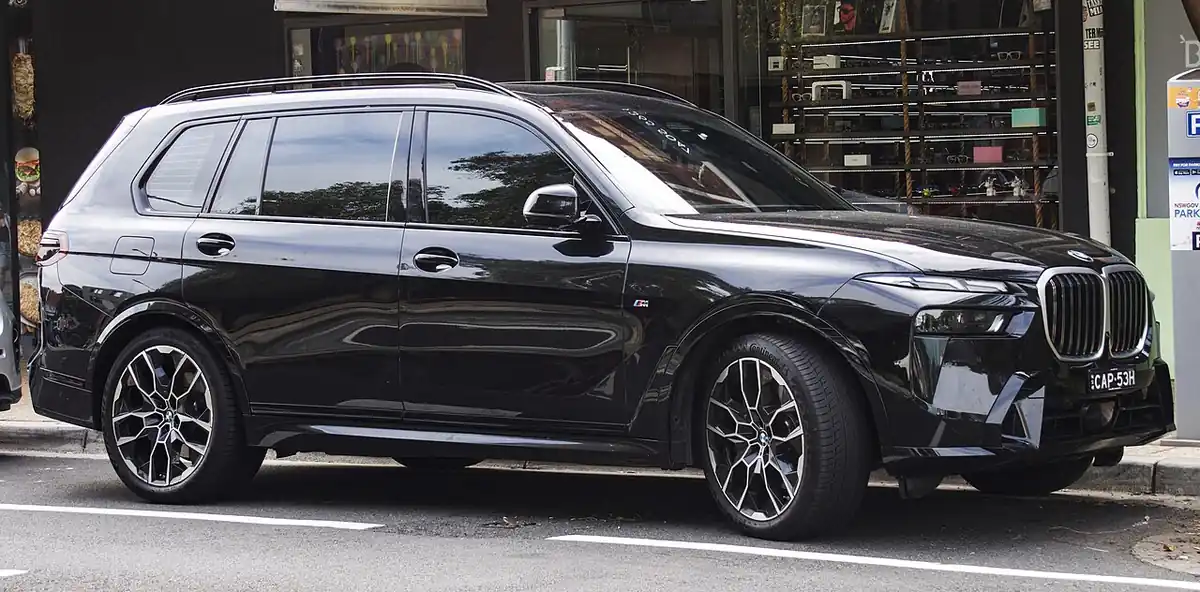
A leak or temperature warning following an X7 collision deserves attention beyond the visible body damage. CarTech Hub – Multi-Brand Car Workshop, Guwahati asks the owner to describe the contact, observed fluid loss and warning information before arranging an applicable assessment. Provide the VIN, build details and photographs taken safely. Do not assume that a radiator has failed solely because the symptom appeared near the front of the vehicle.
Further use or recovery should follow suitable advice about the actual condition. This article does not give an owner hot-system opening or pressure-testing procedure. A vehicle with a cooling concern needs the affected component identified, and its repairability assessed within confirmed capability, before a delivery or long-trip promise can be made.
Distinguish the radiator from other front equipment
Engine and equipment specification determine the relevant cooling arrangement. Radiators, hoses, condensers, fans, supports and other fitted heat-management components have different functions. Inspection should identify observable damage and any required qualified testing rather than replacing every nearby item as an unexplained cooling package. An old coolant leak also needs to be distinguished from the current accident findings.
Front supports and mountings can affect component position and clearances. A replacement radiator fitted against unresolved distortion may not address the real problem. Structural measurements, advanced diagnostic procedures or specialist repairs require suitable qualified facilities. CarTech Hub does not claim universal BMW tooling or every manufacturer-specific capability through this cooling enquiry.
Establish the actual architecture and technical method
The X7 build's electrical and powertrain architecture must be verified, including electrified assistance where fitted. Before affected access, testing, removal, body work or heat processes, qualified personnel must obtain manufacturer-required safety clearance and perform any necessary isolation. This guide does not instruct owners to isolate vehicle systems or advertise unverified 48V and high-voltage repairs.
Repair or replacement should follow observed condition, material and applicable manufacturer information. The technical proposal should explain leakage, deformation, mounting damage or another finding that supports the recommendation. A small external dent cannot establish complete serviceability, while weak cooling from another cause is not proof that an accident-damaged radiator requires replacement.
Specify parts, fluids and the accepted checks
The actual engine, build and equipment determine radiator and related component compatibility. Another X7 variant or X model should not be used as a parts reference without verification. CarTech Hub confirms the application, availability, price and delivery expectations before committing to supply. The estimate should identify seals, hoses, supports, fluids and labour where needed.
Filling, leak checks and functional verification belong to the accepted qualified procedure. A universal fluid grade, quantity or interval copied from another car is not an appropriate specification. Any associated refinishing requires suitable process controls. Warranty terms, repair route and specialist involvement should be clarified before authorization, rather than treated as automatically resolved by insurer payment.
Explain the accident connection to the insurer
Report the incident through its official motor channel and keep the reference. Supporting information can include the policy schedule, registration and driver details, photographs and an accurate account. The insurer may request a form, survey, additional records or relevant police documents. Separate pre-existing overheating and maintenance concerns from damage linked to the reported event.
CarTech Hub can help prepare a detailed estimate and coordinate inspection within confirmed scope. Obtain required approval before work or chargeable dismantling. Further findings through permitted access should be photographed and submitted for a supplementary decision. Claim admissibility remains with the insurer; the workshop's technical recommendation is not a promise that every cooling-system cost will be reimbursed.
Confirm payment and the evidence for completion
Cashless processing depends on policy terms, survey findings, insurer approval and verified workshop eligibility. No CarTech Hub arrangement is assumed. Deductibles, depreciation, consumables, excluded faults and consequential loss can remain customer-payable according to the actual policy. Optional covers need their own conditions checked rather than being described as blanket payment for engine or cooling problems.
At delivery, review the agreed component, leakage and functional checks and retain specialist records where required. Any outstanding concern should be explained clearly before further use. Visit BMW insurer information, use official claim links, send an insurance enquiry or book an assessment. CarTech Hub in Guwahati confirms the supported cooling-repair scope after inspection.
Official insurer claim channels
BMW policy evidence and official claim channels: a general motor policy or an EV product page does not prove acceptance of this premium vehicle, approved parts, battery cover or CarTech Hub cashless eligibility. Confirm registration, declared use, insured value and repair scope with the insurer.
Choose your insurer’s official claim-intimation link. Submit policy and identity information directly through the insurer’s approved channel. Its process and cashless authorization remain subject to your policy and the assessed claim.
Quick answers
Does every front fluid leak on an X7 come from the radiator?
No. The actual fluid, component and cause need appropriate identification and supported testing.
Can a radiator be fitted without considering distorted supports?
Mounting and surrounding fit matter. Unresolved damage may require additional assessment before a suitable installation is possible.
Will accident insurance pay for a cooling fault that existed beforehand?
Do not assume it. Old faults and the reported accident damage must be distinguished, and the insurer decides admissibility under the actual policy.
Vehicle and claim reference information
Use the manual for your exact vehicle and the issued insurance policy. These sources provide background and do not establish a workshop authorization or insurer tie-up.