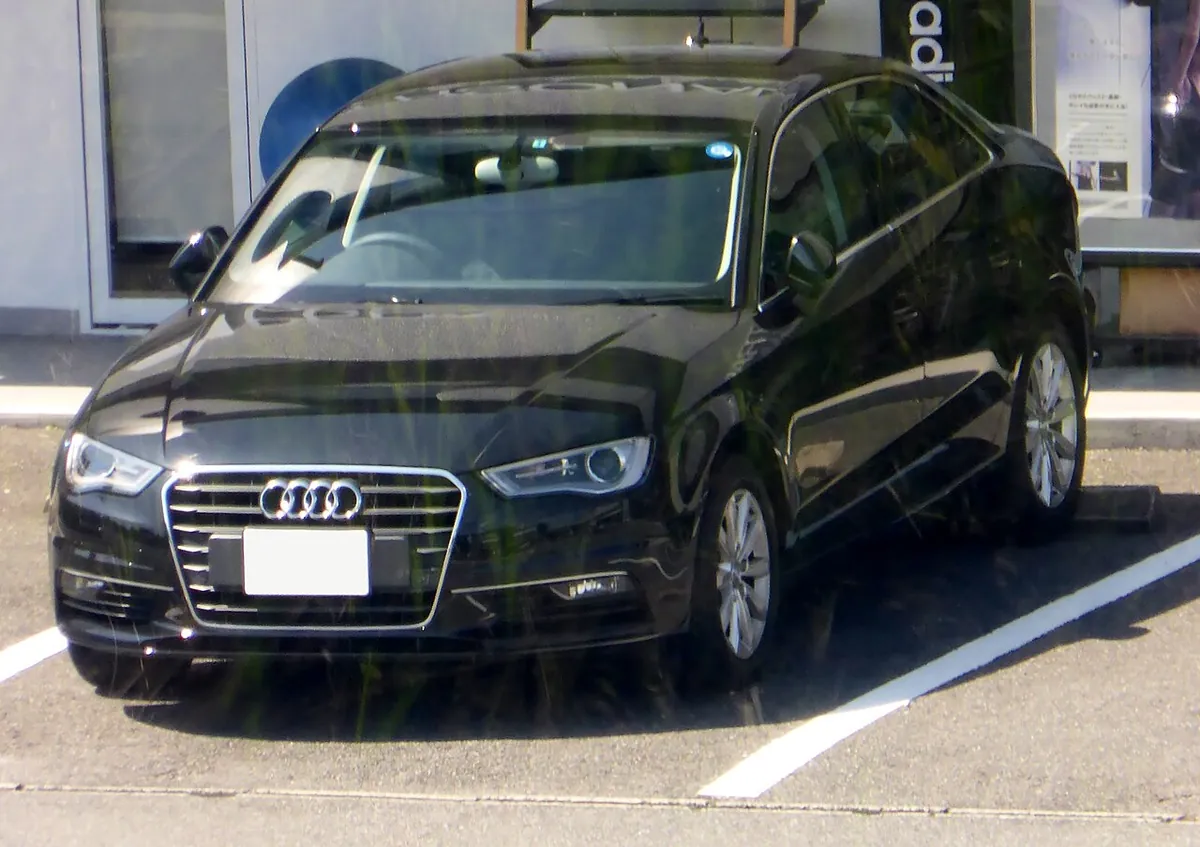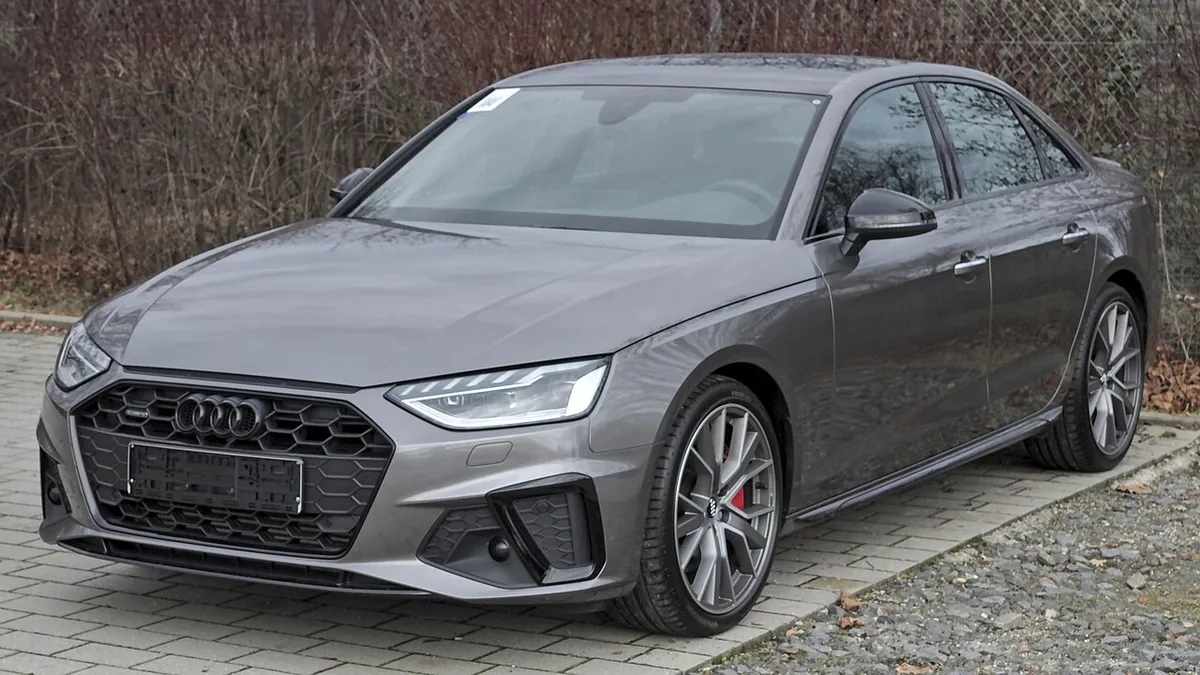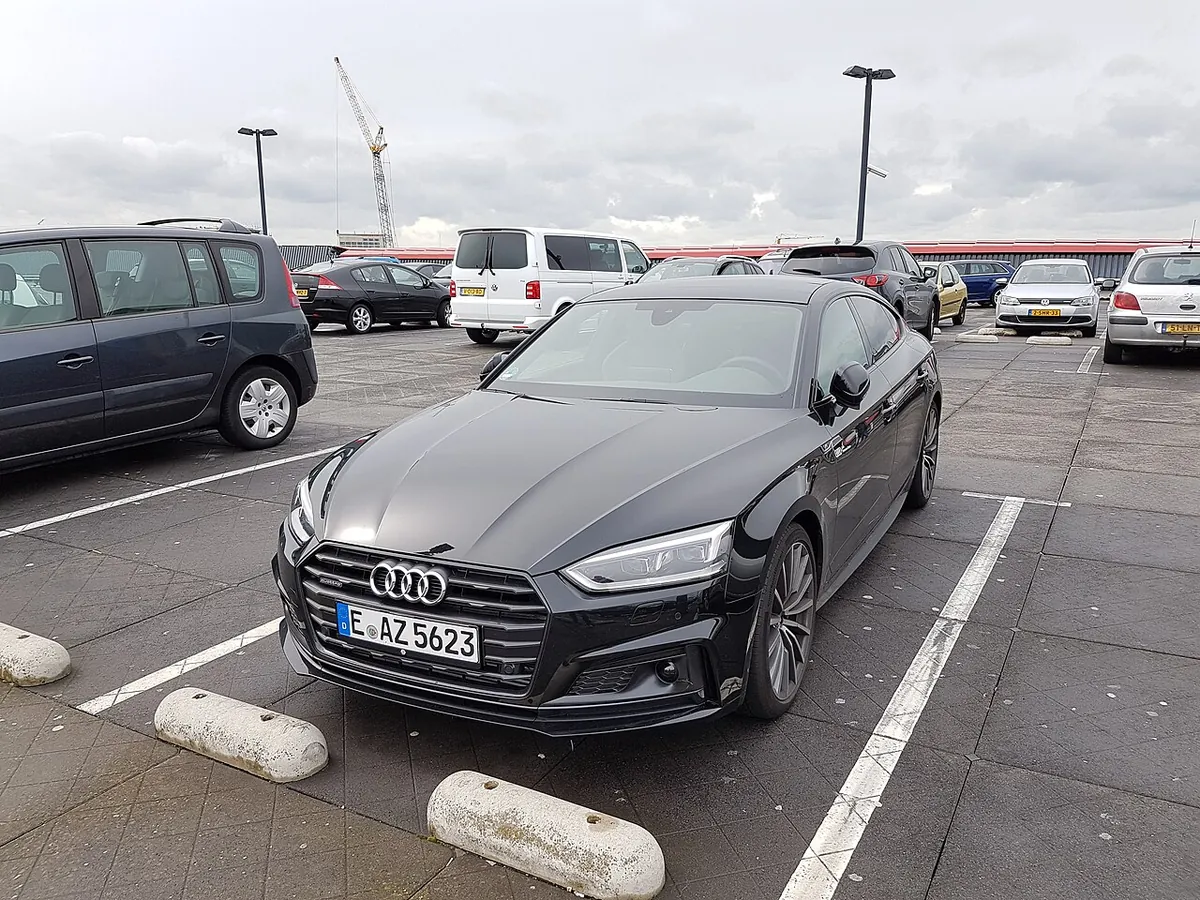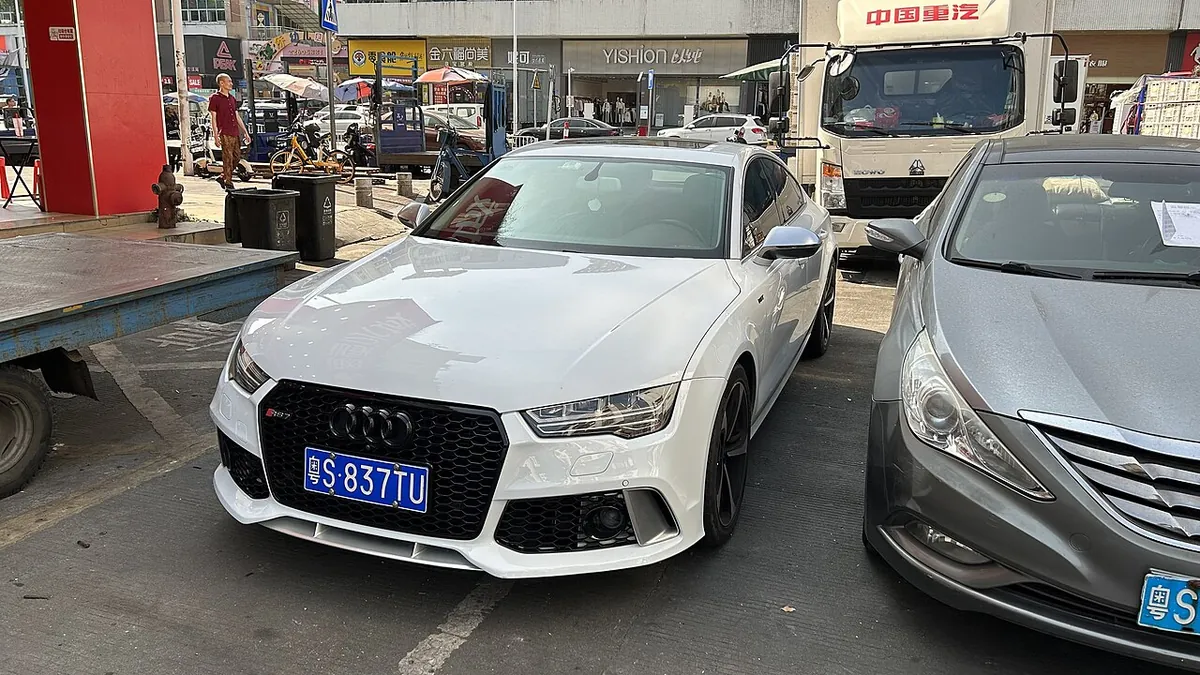
In this guide
RS 7 ownership combines a large Sportback body with V8 performance hardware and generation-specific electronics. A useful service enquiry begins with the car's build and history rather than a universal luxury-car maintenance package. CarTech Hub – Multi-Brand Car Workshop, Guwahati helps arrange applicable inspection, compatible-parts assessment and repair planning. Share year, mileage and operating symptoms through CarTech Hub contact. Confirm accepted work and specialist dependencies before treating the enquiry as a promise of internal drivetrain, active-system or performance repair.
Identify C7, C8 and fitted Performance equipment
The older RS 7 Sportback family spans C7 and C8 vehicles with different body, electronic and mechanical requirements. The 4.0 TFSI twin-turbo V8 description does not establish identical transmissions, brakes or electrical systems across them. C8 mild-hybrid information must not be applied to every earlier car; 48V equipment is also different from a plug-in-hybrid or battery-EV powertrain.
Current Indian catalogues checked for this guide do not establish new RS 7 supply. This page serves existing owner vehicles and verified imports. The Audi model hub provides connected guidance, while the car's own documents identify the relevant maintenance and compatibility instructions. Performance power or brake specifications are not universal for the whole nameplate.
Put service timing and seasonal checks in context
Use the actual handbook, due-service record where equipped, mileage, age and previous invoices. Engine oil approval, filters and petrol ignition maintenance need engine-matched information. Transmission or driveline fluid recommendations require the installed unit's identity and prescribed guidance. Do not invent one interval for every RS 7 or replace parts merely because a newer global version uses different equipment.
For Guwahati monsoon use, review tyre condition, visibility, wipers and any body water-entry concerns. Before a longer journey, discuss coolant condition, braking observations, battery health, AC performance and warning messages. A preventive check is an opportunity to record and prioritize findings, not a guarantee against every future breakdown.
Investigate symptoms before choosing V8 components
A rough start, coolant loss, warning or unfamiliar sound needs its timing and conditions recorded. Supported diagnostics and inspection guide the next step, but a stored fault does not alone prove a failed injector, turbocharger or electronic module. Petrol plugs/coils, mounts, seals, cooling hoses, radiator, pumps and associated sensors require exact application and condition checks.
If a cooling concern followed impact, the Audi condenser accident guide helps distinguish refrigerant-circuit damage from other cooling-system findings. Engine, turbo or complex electronic rebuilding is not assumed CarTech Hub capability. Agree which tests can be accepted and when a suitably equipped specialist or further technical evidence is needed before dismantling.
Verify brakes, driveline and adaptive equipment
Identify installed brake material, pad/disc references and any relevant sensors before replacement. Performance variants or optional ceramic equipment cannot be treated as ordinary interchangeable discs. Suspension arms, bushes, links, dampers, steering and bearings follow inspected condition and manufacturer procedures. Air/adaptive equipment and lifting requirements need their own build-specific checks.
For a vibration, record whether it occurs with braking, acceleration, speed or gear selection. Tyres, mounts and shafts may be relevant alongside the actual tiptronic/quattro configuration. Internal gearbox, differential or adaptive-system restoration requires separate confirmation of expertise and tooling. A general inspection and explanation of Audi technology does not advertise tuning, protected adaptation or unrestricted performance-control programming.
Include Sportback body and comfort parts accurately
The large rear opening, glass, tailgate, seals and fitted aerodynamic equipment require RS 7 generation-specific assessment. Water entry should be traced through its relevant paths before an electronic unit is blamed. A similar A7 component or ordinary sedan listing must not be assumed compatible with RS widebody trim, lighting or rear-opening hardware. Sourcing, price and delivery time follow inspection and technical verification.
Cabin cooling, battery and electrical concerns need appropriate diagnosis of actual equipment. If 48V is involved, qualified clearance precedes affected removal, lifting, heat or paint work. Active-spoiler programming, protected coding, air-suspension internals and specialist electrical repair require individually confirmed support or referral. No immediate-stock or universal repair promise is made.
Connect the maintenance visit with accident assistance
The RS 7 accident and insurance guide addresses incident-related damage and evidence. Official intimation facilities or guidance appear in the Audi insurer directory; a workshop insurance enquiry is coordination, not insurer registration. Cashless eligibility depends on the policy, approval and confirmed CarTech Hub workshop/network arrangement, with applicable contributions potentially payable.
Book an RS 7 assessment with history, equipment and symptom details. Agree the accepted scope, sourcing basis and any specialist tasks, then retain the diagnosis and completed-check record. Google Reviews and workshop directions provide the official Guwahati profile and location for an appropriate appointment or specific follow-up.
Official insurer claim channels
Audi policy evidence and official claim channels: a general motor policy or an EV product page does not prove acceptance of this premium vehicle, approved parts, battery cover or CarTech Hub cashless eligibility. Confirm registration, declared use, insured value and repair scope with the insurer.
Choose your insurer’s official claim-intimation link. Submit policy and identity information directly through the insurer’s approved channel. Its process and cashless authorization remain subject to your policy and the assessed claim.
Quick answers
Is an RS 7 with 48V equipment a battery-electric car?
No. Mild-hybrid architecture and a battery-EV powertrain are different. Identify the actual generation and electrical systems before affected work.
Can all RS 7 brake pads and discs be ordered from the badge alone?
No. Brake material, axle, generation and fitted package must be verified, including any Performance or optional equipment.
Does damp luggage-area carpeting prove an RS 7 module needs replacement?
No. Inspect water paths, seals and related body concerns before attributing an electrical symptom to a failed module.
Vehicle and claim reference information
Use the manual for your exact vehicle and the issued insurance policy. These sources provide background and do not establish a workshop authorization or insurer tie-up.