In this guide
Tiguan R-Line accident assessment needs to consider fitted assistance equipment as well as damaged panels. CarTech Hub – Multi-Brand Car Workshop, Guwahati helps owners organise inspection, supported specialist checks and insurance enquiries.
The current R-Line and its assistance equipment
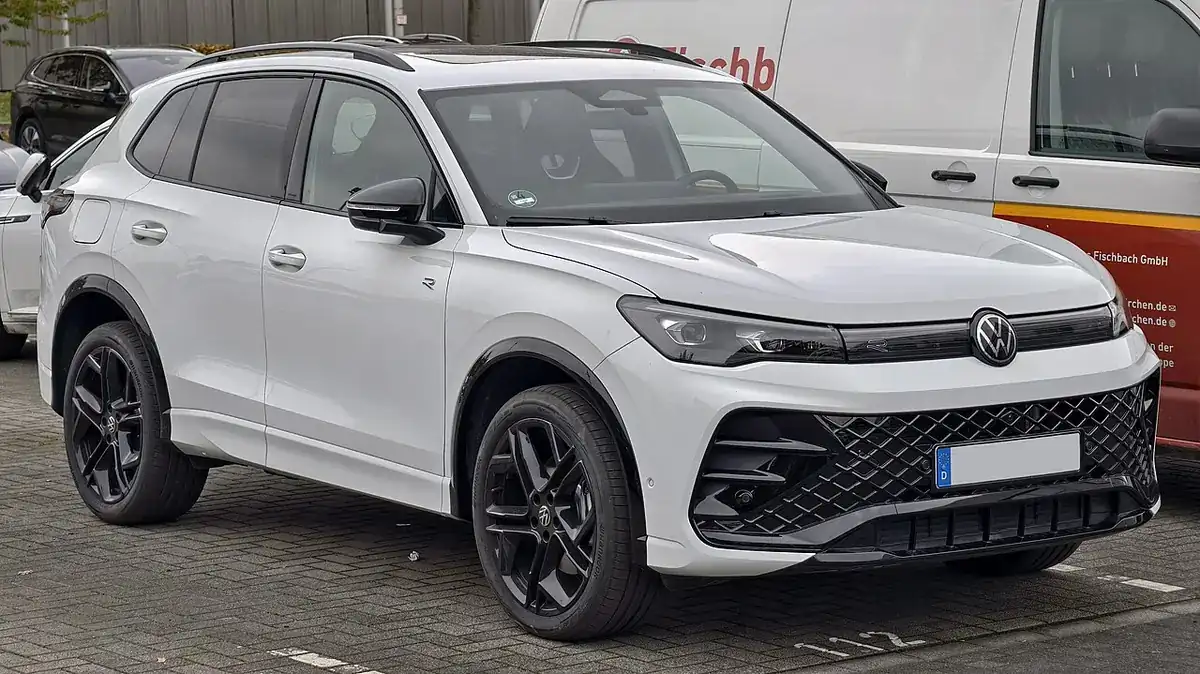
Volkswagen India's current third-generation Tiguan R-Line includes driver-assistance functions, together with a 2.0-litre TSI engine, seven-speed DSG, 4MOTION and DCC Pro suspension. Its equipment should not be inferred from an earlier Tiguan or Tiguan Allspace. Identifying the chassis and installed specification comes before any decision about sensors, lamps, glass or suspension components.
Assistance features support the driver; they do not make continued driving after an impact safe. If braking, steering, visibility or the vehicle's warning guidance indicates a serious concern, stop safely and seek transport advice. A lack of visible damage to a sensor does not establish that its mounting or surrounding structure remains correct.
Record the impact and preserve useful evidence
Where safe, photograph the whole vehicle, the affected area, the surroundings and relevant warning messages. Note the point of impact, whether a wheel was struck, and any change in steering, braking or lamp operation. These observations help both inspection planning and claim documentation, without requiring the owner to diagnose an electronic fault.
Avoid removing damaged components or attempting to straighten brackets before the insurer's instructions and repair plan are clear. A minor mark in the painted cover may conceal broken attachments or disturbed equipment. Tell the workshop about previous body repairs, suspension work, glass replacement or accessory installations because they can affect the interpretation of present findings.
Inspect the complete affected area
A front impact may call for checks of the bumper assembly, grille, mounts, lamps, cooling supports and fitted assistance equipment. A windscreen concern can require consideration of the actual glass and camera-related arrangements. A side or wheel impact brings tyre, wheel, suspension and steering observations into the same assessment, rather than being treated purely as a denting job.
Separate visible damage from procedure requirements
The estimate should distinguish observed damage, proposed repair or replacement and checks required by the applicable procedure. A cracked bracket is an observable item; the need for a further diagnostic or calibration operation is a separate technical decision. Both should be documented clearly, with specialist capability confirmed rather than implied by the presence of a scan tool.
Diagnostics and calibration are different operations
Reading faults helps establish information from the vehicle, but does not prove that a camera or other assistance component is positioned correctly. Equally, removing a warning message is not evidence that the completed repair meets the required technical conditions. Any diagnostic assessment must be interpreted with the physical inspection and relevant repair information.
Calibration, coding or alignment-related requirements depend on the installed system and work performed. Appropriate equipment, accurate technical instructions and trained personnel are necessary for specialised procedures. CarTech Hub does not claim that every assistance calibration can be completed in-house. Before accepting the job, confirm the supported scope and any suitable specialist arrangement needed for the vehicle.
Lamps, glass and mountings must match the specification
A replacement headlamp, windscreen, mirror or bumper component can differ in connectors, optical specification, brackets and equipment provisions. A visually similar part from an older generation or another market may therefore be unsuitable. Record exact component identification and proposed replacement details before the insurer or customer is asked to approve the estimate.
Part availability, technical compatibility, price and delivery time will be confirmed after verification of the Volkswagen model, variant and required component. The R-Line headlight claim guide explains a focused lighting enquiry, while the model service guide covers normal maintenance and related parts checks.
Suspension geometry and body repair scope
Wheel-area damage can affect tyres, rims, bearings, steering components or suspension attachments. The R-Line's adaptive suspension also requires selection of the correct fitted components. A conventional replacement damper chosen from an older-model listing should not be assumed suitable. Identify and repair the supported mechanical cause before treating alignment as a cure for every steering change.
Denting and painting should follow a safe repairability decision. Structural assessment, restraint-system restoration and advanced suspension or electronic procedures require their own confirmed technical scope. An apparently straight panel does not establish correct body geometry, and a neat cosmetic result should not be described as complete accident restoration until relevant supported checks and any specialist work have been addressed.
Maintenance updates after a repair
Keep a record of the original warnings, inspection findings, parts replaced, procedure requirements and completed checks. This allows later service visits to distinguish a new fault from a known unresolved concern. Tyre condition, brake response, battery supply and charging performance can also matter when evaluating changes after a collision or long repair-related storage.
The service schedule continues to depend on model, engine, transmission, age, mileage and manufacturer guidance. Accident repair does not automatically reset oil, fluid or other scheduled tasks. Record maintenance performed during the repair separately, and check outstanding recommendations before planning a longer trip across Assam.
Insurer survey, estimate and repair authorisation
CarTech Hub Multi-Brand Workshop, Guwahati provides Volkswagen accident repair and motor insurance claim assistance. Cashless repair availability is subject to the insurer, policy conditions, vehicle survey, claim approval and confirmed workshop or network eligibility.
Use the official insurer directory to register the accident claim, and retain its reference. Prepare registration and policy information, the driving licence where requested, accident photographs and an accurate account of the event. The repair estimate can identify relevant physical damage and supported inspection requirements, without promising that every proposed task will be covered.
Survey and authorisation guide approved repair or replacement. Hidden damage or a necessary additional procedure may require a supplementary estimate and further approval. Deductibles, depreciation, excluded consumables or non-covered work may remain payable. Agree the customer's responsibility before proceeding. The Tiguan R-Line insurance guide provides the general claim sequence and explains why network eligibility is checked separately.
Request a supported accident assessment in Guwahati
Send vehicle details and the affected area through the insurance enquiry form, or book an inspection. Call CarTech Hub or WhatsApp photographs to clarify transport and the technical scope before a visit. Consult Google Reviews and workshop directions. CarTech Hub provides independent multi-brand accident assistance; authorised manufacturer channels remain important for warranty decisions, campaigns and procedures that require their support.
Official insurer claim channels
Choose your insurer’s official claim-intimation link. Submit policy and identity information directly through the insurer’s approved channel. Its process and cashless authorization remain subject to your policy and the assessed claim.
Quick answers
Does clearing an ADAS warning complete a Tiguan R-Line accident repair?
No. Fault readings, physical condition and any required calibration or repair procedure are separate considerations. Completed checks must match the installed system and the actual work.
Can CarTech Hub promise every R-Line camera calibration in-house?
No blanket capability is claimed. The necessary tools, instructions and trained support must be confirmed for the procedure, and a suitable specialist may be required.
Should a bumper cover be repaired before checking its attachments?
The affected assembly needs inspection. Hidden bracket or equipment damage can matter even when the painted surface appears repairable; preserve claim evidence and follow authorisation instructions.
Will insurance automatically cover every diagnostic or calibration task?
No. The policy, survey findings and insurer approval determine admissibility. A supported task may need explicit estimate approval, and excluded charges or deductibles may remain payable.
Vehicle and claim reference information
Use the manual for your exact vehicle and the issued insurance policy. These sources provide background and do not establish a workshop authorization or insurer tie-up.