In this guide
Service a Polo GT according to its powertrain
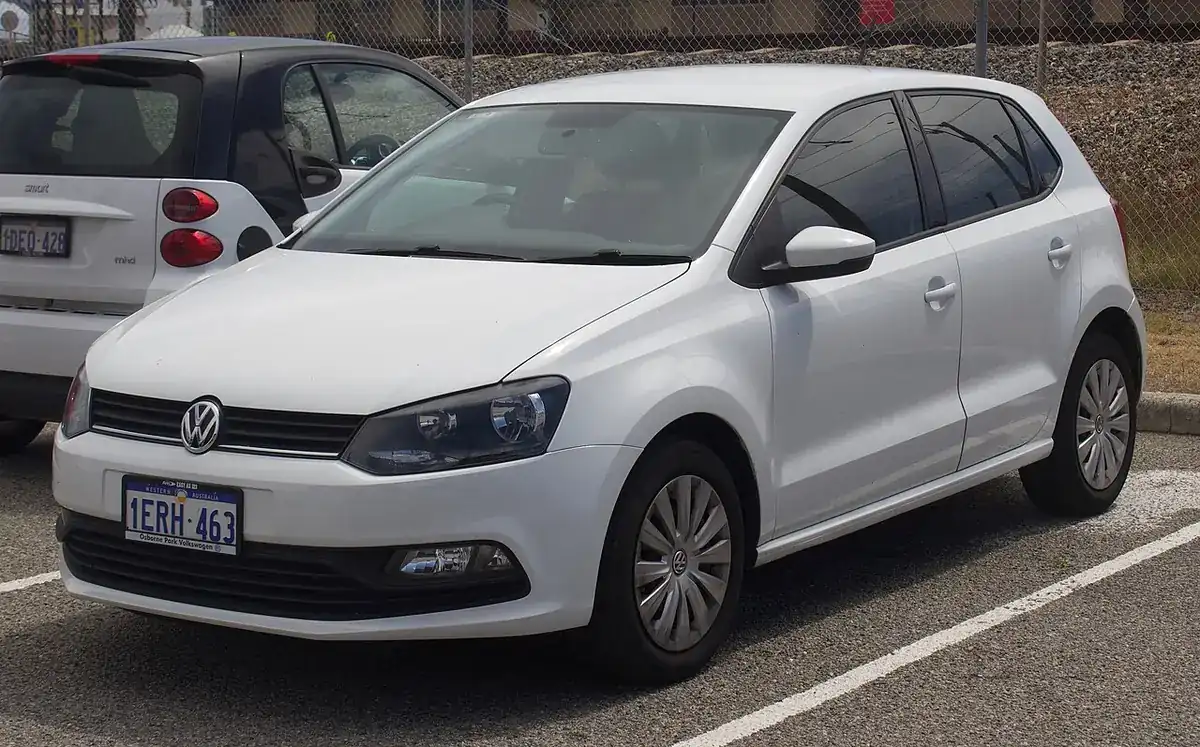
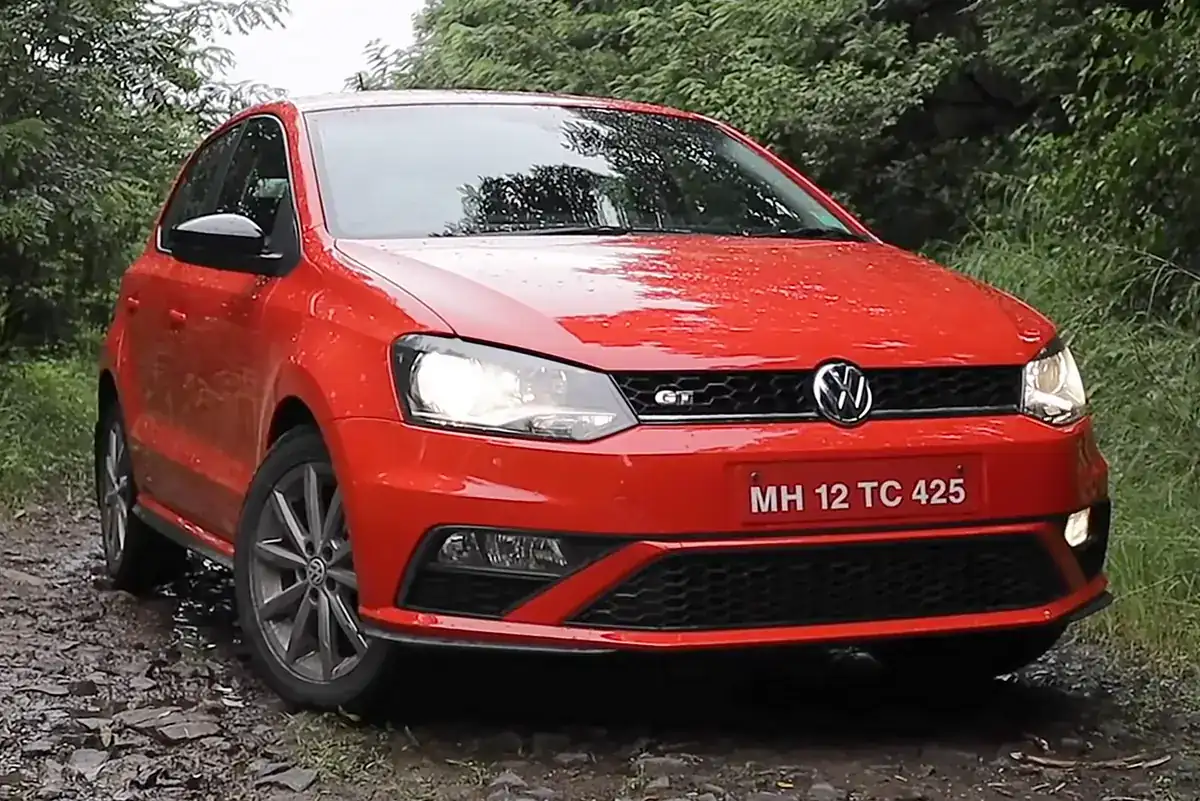
A Polo GT should be maintained as the car it actually is, not as a collection of sporty badges. The Indian GT family includes turbo-petrol and older diesel vehicles, with significant changes over time. CarTech Hub – Multi-Brand Car Workshop, Guwahati provides general service, symptom-led inspection, compatible parts replacement and accident-repair enquiries for owners who want a clear record of what their car needs.
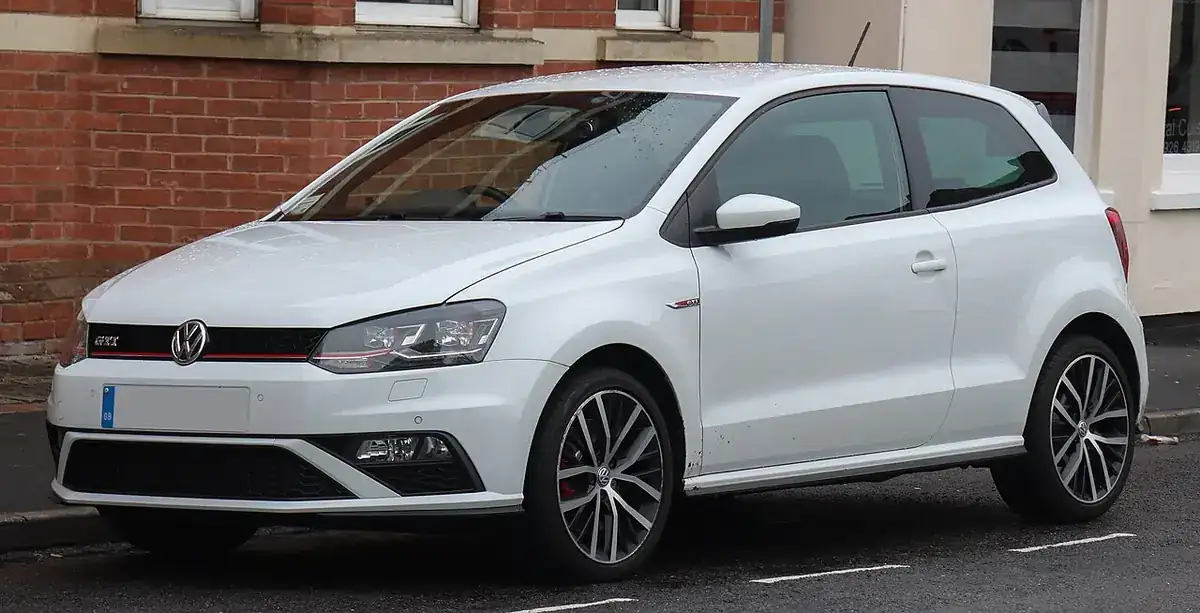
This guide covers the five-door Polo GT rather than the separate imported Polo GTI. It is particularly useful when buying a used GT, returning a modified car to dependable daily use, or arranging service after several years of mixed workshop records.
TSI, TDI and automatic differences
An older GT TSI with DSG must not be confused with the later BS 6 GT TSI using a 1.0-litre petrol engine and six-speed automatic. Volkswagen's India automatic-launch announcement confirms the later combination. GT TDI diesel versions also need their own engine and manual-transmission identification. Confirm displacement, engine code, gearbox code and registration history before selecting fluids, service parts or a diagnostic procedure.
A badge is not a parts catalogue
An aftermarket GT grille, wheel set or exhaust does not establish the original specification. Disclose any ECU tune, changed intake, suspension alteration or gearbox work. Those details can influence diagnosis and insurer questions after an accident. CarTech Hub does not infer an upgrade's compatibility or promise performance tuning through a normal maintenance booking.
Planned maintenance for a turbo-petrol or diesel GT
For petrol TSI service, match the engine-oil approval and oil filter, inspect air and cabin filters, and assess plugs, ignition coils and cooling components according to condition and the handbook. On a diesel GT, fuel-filter requirements and fuel-system checks differ, while spark plugs are not applicable. Intake plumbing and visible boost connections should be inspected without assuming that every hesitation means turbo failure.
Record both elapsed time and distance since the last service. Repeated short urban trips and dusty journeys should be discussed when choosing inspection priorities. Transmission service is governed by the specific gearbox's instructions; neither an advertised universal DSG flush nor an automatic fluid intended for another Polo establishes the correct procedure.
Investigate hesitation before purchasing assemblies
Describe whether the car loses response during acceleration, hesitates while selecting drive, vibrates at idle, or behaves differently after warming up. A scan should preserve fault information and operating conditions. Battery voltage, relevant wiring, ignition on petrol cars, intake leaks and applicable fuel-system data are useful starting points. Engine mounts can contribute to a vibration without a major engine failure.
Gear engagement and engine power must be evaluated separately. DSG-related symptoms need suitable identification and diagnostic access; internal rebuilding or mechatronic repair is not automatically available. A torque-converter automatic follows a different assessment path. On a diesel manual, clutch release, slip and operating components are relevant, but a clutch estimate requires inspection rather than a blanket replacement recommendation.
Brakes, tyres and ride quality deserve attention
A sporting model can be driven enthusiastically, but wear is assessed from the individual vehicle rather than its image. Inspect front brake wear, rear components actually fitted, brake hoses, fluid history and ABS warning information. Disc vibration requires checking the braking system and wheel installation. A steering pull should also consider tyre condition and pressures before alignment is treated as the sole cure.
Review suspension bushes, links, struts, arms, bearings and steering joints, especially after a pothole impact. Non-standard springs or wheel sizes can complicate both parts matching and ride complaints. AC cooling, blower performance, charging voltage and starter behaviour remain everyday service concerns even on a performance-oriented variant. Do not let a focus on acceleration overshadow visibility, braking or electrical reliability.
Compatible GT parts and body repairs
Potential items include the correct oil and intake filters, TSI ignition components or TDI fuel-system service parts, cooling hoses, engine mounts and transmission mounts. The manual clutch assembly, DSG-related parts and torque-converter automatic components are distinct possibilities rather than one shared replacement list. Brake pads, discs, rear brake hardware and suspension parts are selected by verified fitment.
A damaged GT bumper, grille, spoiler, headlamp or mirror may differ from a standard Polo item despite a similar outline. Estimate any paint preparation and broken mounting brackets separately. Part availability, technical compatibility, price and delivery time will be confirmed after verification of the Volkswagen model, variant and required component. Retaining the old part identification and repair invoice helps the next service visit.
Collision damage and the insurance boundary
When a GT is involved in a collision, document the impact area and look beyond a cracked bumper. Wheel contact, lamps, radiator or condenser mounts and body attachment points may also be affected. Safety-related or structural concerns need a separately confirmed repair route. Accident repairs, paint correction for old cosmetic wear and scheduled servicing should be distinguished on the estimate.
CarTech Hub Multi-Brand Workshop, Guwahati provides Volkswagen accident repair and motor insurance claim assistance. Cashless repair availability is subject to the insurer, policy conditions, vehicle survey, claim approval and confirmed workshop or network eligibility.
Share policy details, RC, the relevant driving licence, photographs and a factual account of the event. Tell the insurer about modifications when required. Its official claim channel, document requests, survey and authorization determine the insured repair process. Deductibles, depreciation or excluded upgrades may remain payable; a GT badge or zero-depreciation add-on is not an unconditional promise of full payment.
Book a purposeful Polo GT visit
Choose Book Service and identify TSI or TDI, the year and transmission. Call CarTech Hub or WhatsApp the team with a description of the concern. Use the claim enquiry page for an accident, and follow the official insurer links to intimate a motor claim.
The focused Polo GT transmission guide explains why DSG and conventional automatics need different enquiries. Compare the Polo GTI guide only for that separate imported model. Access directions and contact details, Google Reviews and related model information through the Volkswagen hub.
Official insurer claim channels
Choose your insurer’s official claim-intimation link. Submit policy and identity information directly through the insurer’s approved channel. Its process and cashless authorization remain subject to your policy and the assessed claim.
Quick answers
How can I tell whether my Polo GT automatic is DSG?
Use the vehicle and gearbox identification rather than the GT badge. Older and later GT TSI versions used different automatics; the workshop should verify the installed unit before a fluid or repair recommendation.
Does a GT TDI need the same ignition parts as a GT TSI?
No. A diesel engine does not use petrol spark plugs or ignition coils. Fuel-system, starting and service checks must match the verified TDI engine.
Should I mention an ECU tune when requesting a diagnosis?
Yes. Describe software or hardware changes and supply records where available. They can change how symptoms are interpreted and may be relevant to warranty or insurance conditions.
Can I approve an aftermarket bumper before the insurer inspects it?
Ask the insurer about survey and authorization requirements first. Part specification and replacement approval are policy-dependent; buying a preferred upgrade does not guarantee reimbursement.
Vehicle and claim reference information
Use the manual for your exact vehicle and the issued insurance policy. These sources provide background and do not establish a workshop authorization or insurer tie-up.