
In this guide
Careful records support reliable Golf GTI ownership. CarTech Hub – Multi-Brand Car Workshop, Guwahati helps owners plan maintenance, compatible parts and supported inspection for the Indian performance hatchback, with road use as the focus.
Define the Golf GTI and the intended use
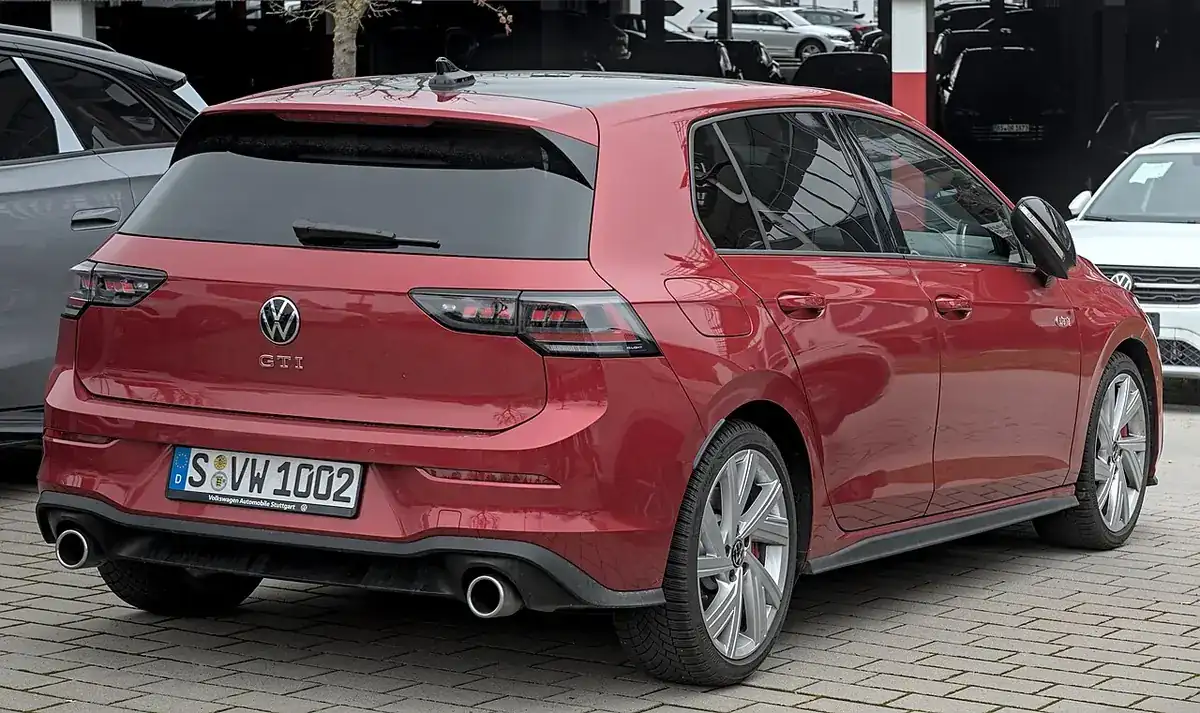
The current India car is the imported Mk8.5 Golf GTI, using a 2.0-litre TSI petrol engine and seven-speed DSG. A Polo GTI, earlier Golf or overseas derivative can require different components and procedures. Chassis identification and the vehicle's handbook should therefore accompany the booking, even when the owner already knows the engine capacity.
Describe how the car is used and disclose modifications. A changed wheel, intake, exhaust or engine software can affect the service assessment and manufacturer discussions. This guide concerns road-car maintenance. It does not advertise track preparation, power increases, electronic tuning, turbocharger rebuilding or a specialist gearbox overhaul as part of a normal workshop visit.
Oil approval, filters and useful service records
Choose engine oil by the verified manufacturer's requirements rather than viscosity or a performance marketing label alone. The filter must fit the actual engine. Air-filter and cabin-filter condition, spark plugs, coolant and brake-fluid requirements are separate items within the maintenance plan. A product suitable for another turbocharged Volkswagen is not automatically suitable for this Golf.
Save detailed invoices showing what was fitted, the fluid specification, date and odometer. If a service display is reset, record the completed work behind that reset. Previous owners' incomplete records call for verification of outstanding requirements, not an assumption that everything was changed recently. The Golf GTI model guide provides the wider service and parts context.
Observe changes before they become a larger problem
A useful service update notes oil or coolant loss, starting behaviour, warning messages, changes in braking and any new vibration. Distinguish a cold-start observation from a symptom that appears only after a longer journey. Photographs of warnings, taken safely, and the circumstances in which they appeared can be more useful than an owner-selected diagnosis.
Avoid destructive testing on public roads
Do not recreate a serious warning through repeated acceleration or hard braking. Stop safely and follow the vehicle's instructions if temperature, braking or transmission warnings demand it. A performance badge does not reduce the need for caution. Let the supported diagnostic procedure establish the fault rather than attempting to demonstrate maximum performance during an unresolved concern.
Tyres and wheels before the handling diagnosis
Tyre condition and the fitted size, pressure and load requirements matter to braking and handling. Use the handbook and vehicle information, and report any wheel changes. An unfamiliar vibration may follow tyre damage, an imbalance or a wheel impact rather than a failed suspension component. Inspect the affected area before replacing parts based on the driving impression alone.
A marked alloy can also need assessment beyond cosmetic refinishing. Damage associated with a curb or pothole may involve the tyre, wheel fastenings, bearing, steering or suspension. Do not assume alignment alone resolves every pull. The estimate should distinguish the observed defect, supported repair and any geometry checks required after the relevant mechanical work.
Brake inspection with road-use expectations
Pads, discs, calipers, hoses and fluid requirements need assessment for the installed braking system. A friction-component choice must suit the car's specification and intended use; it should not be selected solely from a description such as upgraded GTI brakes. Noise, changed pedal feel or a reduction in stopping response requires investigation rather than a promise that a new pad compound will solve everything.
The inspection should also consider relevant ABS or stability-system warnings where present. Components are replaced for confirmed wear, damage or a verified requirement, not because every performance hatchback is assumed to need frequent replacements. After supported work, ask what checks were completed and whether any braking concern remains unresolved before returning to ordinary driving.
Cooling, AC and electrical reliability
TSI engine concerns can involve intake, ignition, fuel delivery, mounts or other systems. Fault information should be related to the reported operating conditions. A coolant leak needs its source identified among the relevant pump, thermostat, radiator, hoses and associated components. Persistent overheating should not be addressed merely by topping up and continuing demanding driving.
Air-conditioning assessment separates airflow concerns from refrigerant leakage or component faults. Battery condition, charging performance and appropriate circuit checks can help with starting or electrical problems. Control-unit work and advanced diagnostics depend on available equipment and technical scope. CarTech Hub confirms specialist capability before accepting procedures that go beyond supported general maintenance or repair assessment.
DSG maintenance and imported-model parts
Identify the DSG before selecting a fluid, service operation or component. Seven-speed Volkswagen transmissions should not be treated as one universally interchangeable system. A warning, engagement delay or shudder may require further supported testing, and specialised adaptations, internal work or mechatronic repairs need explicit confirmation of capability.
Replacement enquiries may cover service filters, plugs, ignition components, cooling parts, mounts, brake assemblies, steering or suspension items. Body parts include the correct bumpers, bonnet, fenders, doors, tailgate, lamps and glass. Part availability, technical compatibility, price and delivery time will be confirmed after verification of the Volkswagen model, variant and required component. Imported specification and existing modifications can influence sourcing and fitment assessment.
Accident work and insurance decisions
A performance car's accident estimate should still start with evidence and an examination of the affected systems. Fender or wheel impact can require mechanical checks; lamp and bumper damage may involve brackets or equipment behind the cover. Denting and painting follow a repairability decision, while structural, restraint-system or calibration tasks require appropriate specialist support.
CarTech Hub Multi-Brand Workshop, Guwahati provides Volkswagen accident repair and motor insurance claim assistance. Cashless repair availability is subject to the insurer, policy conditions, vehicle survey, claim approval and confirmed workshop or network eligibility.
Intimate the claim through the official insurer directory and provide policy, registration, requested licence information, accident details and photographs. Survey and insurer approval control covered repair or replacement. Additional damage may require another estimate, and depreciation, deductibles or excluded items can remain customer-payable. Keep modification information accurate where relevant. The Golf GTI accident claim guide explains the separate repair and cashless eligibility stages.
Plan the next maintenance visit
For Guwahati city use or a longer journey into Northeast India, book an inspection with the service history and specific observations. WhatsApp vehicle details or call CarTech Hub to confirm supported imported-model work. Use the insurance form for accident enquiries, Google Reviews for customer feedback and directions for the visit. The workshop operates independently; warranty and recall questions remain with the appropriate manufacturer-authorised channel.
Official insurer claim channels
Choose your insurer’s official claim-intimation link. Submit policy and identity information directly through the insurer’s approved channel. Its process and cashless authorization remain subject to your policy and the assessed claim.
Quick answers
Does performance maintenance mean tuning my Golf GTI?
No. This service enquiry concerns reliable road use, scheduled care and inspection. Tuning or racing preparation is not implied, and any specialist work would require an explicitly confirmed scope.
Is viscosity alone enough when buying Golf GTI engine oil?
No. Confirm the manufacturer approval and other requirements for the verified engine. A performance label or similar viscosity does not establish suitability.
What should I disclose if my Golf has aftermarket wheels?
Provide the fitted wheel and tyre details, recent impacts and any vibration or steering change. Those details affect inspection and should be considered before suspension parts or alignment are proposed.
Can a Golf GTI accident claim include all previously fitted modifications?
That depends on the policy, declarations, accident circumstances, survey and insurer approval. Give accurate modification information and do not assume aftermarket equipment or unrelated work is covered.
Vehicle and claim reference information
Use the manual for your exact vehicle and the issued insurance policy. These sources provide background and do not establish a workshop authorization or insurer tie-up.