In this guide
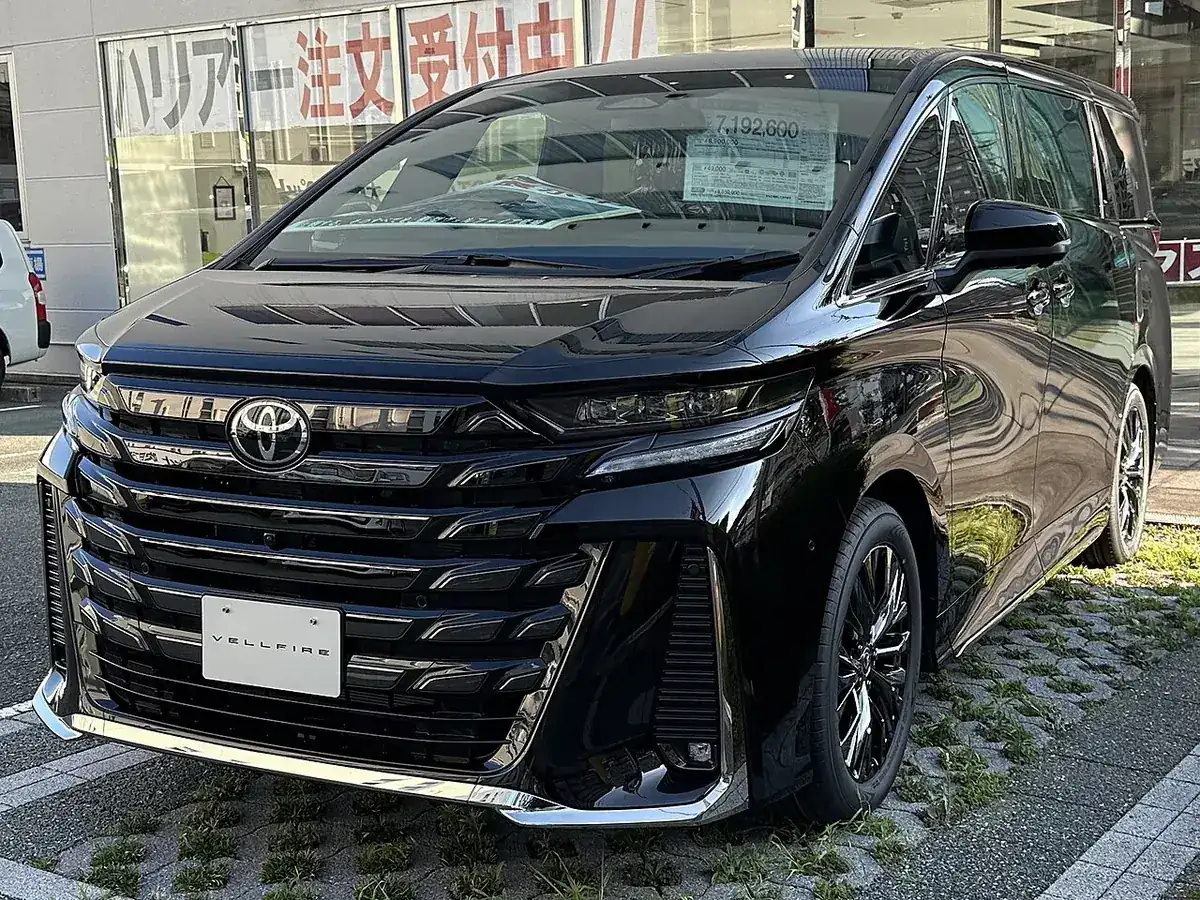
A Vellfire combines passenger comfort with complex vehicle systems, so an enquiry should say more than that the car needs a service. Owners may notice uneven cabin cooling, a changed door movement or a warning that needs specialist assessment. CarTech Hub in Guwahati can help organize the initial conversation, applicable inspection and accident-claim documentation. This guide explains what information makes those decisions useful while keeping specialist hybrid, safety and convenience-system capabilities separate from ordinary multi-brand workshop work.
Establish the Vellfire generation and equipment
Toyota's current Indian showroom describes a hybrid system with a 2.5-litre engine and several grade-dependent comfort and safety features. Earlier vehicles may have different components or equipment. VIN, build year, grade and service documents should accompany an enquiry. A hybrid MPV is not a battery-electric vehicle; its engine still has maintenance requirements. CarTech Hub operates independently, without claiming Toyota authorization. Manufacturer warranty, campaigns or proprietary software questions should be referred to Toyota's authorized support.
Review scheduled maintenance before choosing parts
Check engine-oil specification, filters and fluid requirements against the correct owner manual. Tyres, brakes, wipers, visible leaks and cabin filtration can be included in periodic inspection. Explain long parking periods, short chauffeur-driven trips or extended use of climate control, because these details affect the assessment. Do not infer a universal interval from another Toyota or replace expensive items because a service package lists them. Ask which recommendations are scheduled, condition-based or dependent on a specialist report.
Keep a service update for passenger-area concerns
Record the seat row, door or vent involved in a complaint. Explain whether it occurs after the car stands in heat, only during movement or with one control setting. A written record linking symptoms to findings lets the next appointment follow up the same issue. It also avoids replacing a complete convenience assembly when the cause has not been established.
Match mechanical and cabin parts precisely
Engine filters, applicable ignition items, mounts and cooling components need generation-specific references. Brake discs and pads, ABS-related parts, steering joints, wheel bearings and suspension components require actual condition checks. Current hybrid transmission components should not be treated as an ordinary manual-clutch kit. Cabin switches, trim, seat parts and powered-door pieces depend on equipment and connectivity. Before ordering, ask for exact fitment and availability, particularly where a component requires programming or specialist commissioning; neither immediate stock nor that capability is promised here.
Hybrid and electronic systems need a qualified destination
Share exact warnings, whether the car reaches its ready state, and any recent water exposure, impact or low-voltage battery work. Do not open high-voltage covers. Battery isolation, internal hybrid repair, power-electronics diagnosis and complex transmission work need verified competence, tooling and safety procedures. Those operations are not confirmed at CarTech Hub through this article; referral is appropriate where scope is unverified. Electronic comfort equipment may also need specialist diagnosis before a replacement estimate is reliable.
Investigate climate control and powered-door changes
Warm air in one seating area can involve airflow distribution or control issues, while poor cooling throughout the cabin may require a different inspection. Report both temperature and airflow before compressor or refrigerant work. If a powered door changes behaviour, describe the warning or obstruction condition and avoid repeatedly forcing it. The fitted system's safety checks matter. The AC service page provides useful enquiry preparation, but complex Vellfire equipment should be accepted only with confirmed capability.
Accident repair must protect cabin and restraint functions
A side impact can affect door tracks or mountings, seals, glass and passenger restraint areas beyond visible dents. Front damage may involve lamps, grille, cooling parts and sensors. A rear collision can disturb tailgate closure and nearby wiring. Safe photographs and a description of changed functions help the estimate. Painting follows repairability assessment. Major structure, airbags, high-voltage damage and ADAS calibration require appropriately equipped specialists; restoring a luxury finish does not establish that all safety functions have been restored.
Arrange insurer review before committing to replacements
Report the incident through the insurer contact on your policy. Common paperwork includes policy, RC, driving licence, claim form, incident description and photographs, with police or additional records depending on the event. CarTech Hub can assist with damage documentation and estimate coordination, including specialist findings where required. Survey inspection may precede authorization. An expensive door, lamp or electronic part should be supported by a diagnosis, and additional damage found later should be submitted for supplementary approval rather than assumed covered.
Cashless eligibility is governed by policy conditions, insurer approval, survey findings and the applicable workshop/network arrangement. Claim assistance does not confirm a Vellfire cashless tie-up. Deductibles, depreciation where relevant, exclusions and other non-payables may remain payable by the owner. Obtain a clear breakdown before repair consent. Procedures and documentation vary by insurer; retain completion checks and final claim records at delivery, particularly when work is coordinated across specialist facilities. The insurer information hub can help prepare Vellfire claim questions, especially when an estimate involves a specialist repair destination.
Send an enquiry with the affected function identified
Use Online Appointment for inspection planning and Insurance Claim Enquiry after impact. Call Now to discuss transport or scope, and WhatsApp Us with safe photographs. Google Reviews supplies the configured feedback route. The Hycross guide and Toyota hub offer related reading without treating their parts as interchangeable.
Official insurer claim channels
Choose your insurer’s official claim-intimation link. Submit policy and identity information directly through the insurer’s approved channel. Its process and cashless authorization remain subject to your policy and the assessed claim.
Quick answers
What information helps assess a Vellfire powered-door complaint?
Identify the affected side, warning message, changed opening or closing movement and whether an impact preceded it. Do not force the door repeatedly. Accurate observations help determine whether alignment, obstruction detection, wiring or specialist electronic assessment is needed.
Does rear-cabin cooling trouble mean the Vellfire needs a compressor?
Not necessarily. State which vents are affected, whether airflow is weak and whether front cooling remains normal. A distribution or control concern is different from whole-system cooling failure. Confirm the equipped system and diagnostic scope before ordering parts.
Can a Vellfire hybrid warning be handled as an ordinary battery replacement?
The low-voltage battery and hybrid traction system have different functions. Share the exact warning and ready-state behaviour. Diagnosis should identify the relevant system, while high-voltage operations require qualified personnel and equipment rather than a general replacement assumption.
Why can a side-impact Vellfire estimate change after inspection?
Door mechanisms, glass, mounts, wiring or restraint-area damage may become clearer during an authorized assessment. Extra findings should be documented for supplementary insurer approval. Ask how specialist work, part availability and customer non-payables affect the revised plan.
Vehicle and claim reference information
Use the manual for your exact vehicle and the issued insurance policy. These sources provide background and do not establish a workshop authorization or insurer tie-up.