In this guide
Give a compact hatchback a thorough inspection
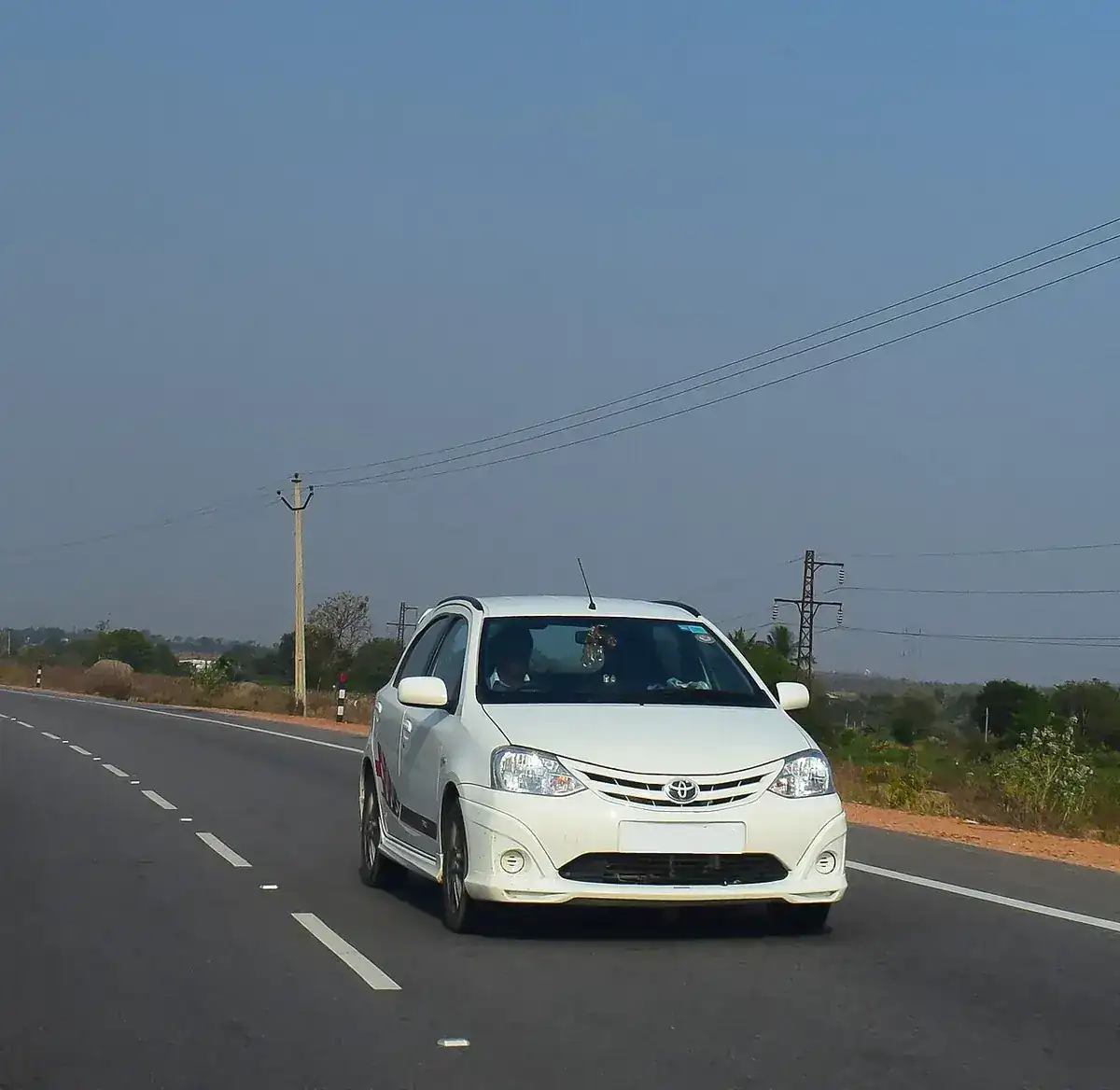
A Liva used for city errands may cover modest distance while making many cold starts and short stops. Service planning should reflect that pattern and the condition of the particular car. CarTech Hub – Multi-Brand Car Workshop in Guwahati can receive enquiries for Toyota Etios Liva maintenance, mechanical repair and accident support. Describe how the car is used, rather than requesting a long list of replacements without an inspection. This helps prioritise safety concerns and avoid confusing a worn component with accident damage.
Identify the Liva engine and grade
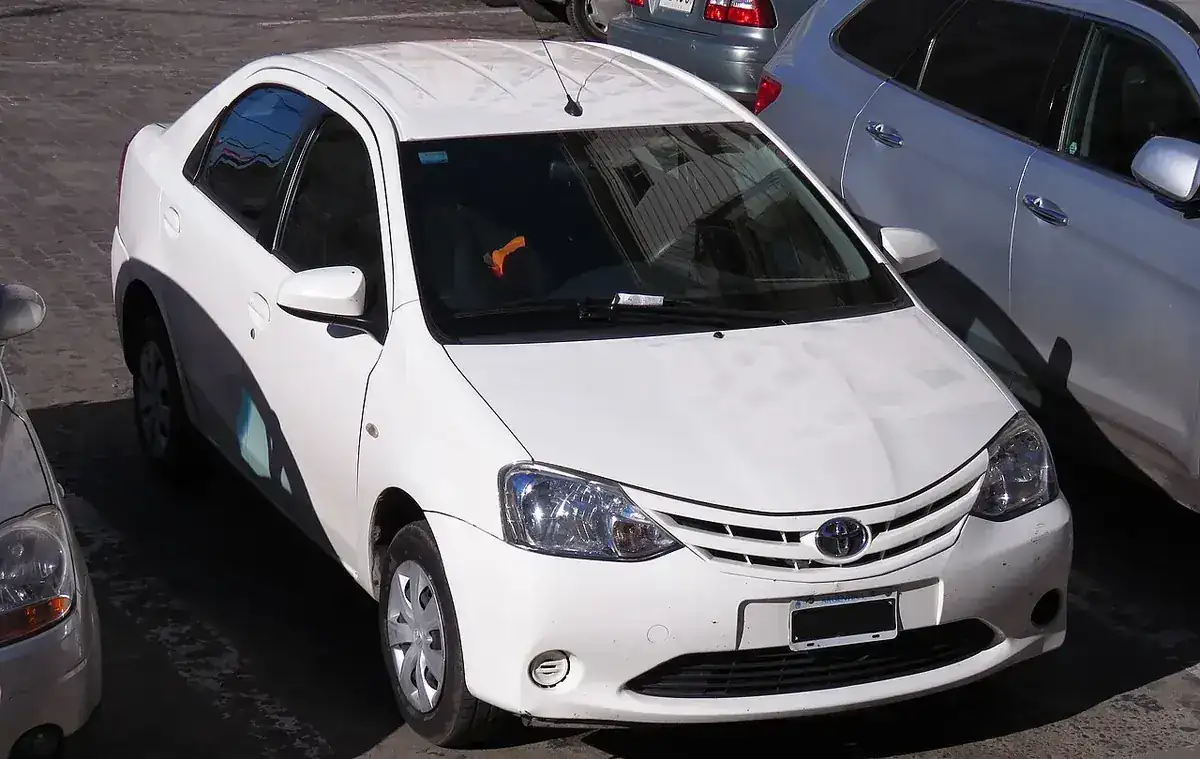
Toyota's archived India specification records a petrol Liva and a D-4D diesel Liva with manual transmission. The Etios family also included other versions, so the engine on the RC and its identification need confirmation. Do not carry a sedan or Etios Cross body-part order across to this hatchback. Grade differences can affect lamps, mirrors, wheel sizes and installed equipment. Ask the parts supplier or workshop to verify year, chassis identification and the actual component before committing to a purchase. A car with Cross-specific exterior equipment should be checked against the Etios Cross guide before ordering hatchback trim or bumper pieces.
Maintenance update for short-trip ownership
Review earlier oil and filter work against the owner's schedule, using elapsed time as well as kilometres. An inspection can consider oil condition, air intake cleanliness, coolant leaks, belt condition and battery performance. Petrol plugs and ignition components differ from diesel fuel-system items. Check whether a cabin filter is fitted and service it according to its actual arrangement. Keep the service record current after every approved job; an uncertain history calls for inspection, not an invented fixed interval for every Liva.
Turn a sound or smell into useful information
A recording made while safely parked may help explain a blower noise. For a road noise, note speed, road surface and whether it changes during braking; do not attempt distracting recordings while driving. A burning smell or fluid loss needs prompt assessment. CarTech Hub can discuss a diagnostic visit and establish the appropriate tests, while symptoms alone cannot confirm a failed clutch, bearing or AC compressor.
Wear items across brakes and suspension
Inspect the relevant front pads and discs, rear brake shoes and drums where fitted, brake hoses and fluid condition. The archived Liva layout includes front struts and a rear torsion-beam arrangement; that is a starting reference, not permission to fit any Etios suspension part. Possible needs include strut mounts, shock absorbers, bushes, steering joints and wheel bearings after evaluation. If the steering changes after a pothole strike, include tyres and wheel damage in the assessment before discussing alignment.
Powertrain, cooling and cabin comfort
A manual clutch repair may involve a disc, pressure plate or release bearing when measurements and symptoms support replacement. Inspect related operation and gearbox mounts rather than promising a clutch kit will cure every shifting problem. An engine concern can involve mounts, sensors, cooling hoses or verified ignition/fuel-system parts. For slow cranking, examine the battery and charging/starting system. The AC service page explains checks for airflow, leaks, condenser condition and controls before a compressor is quoted.
Hatchback body work after a collision
A rear-impact estimate should document the tailgate, latch, glass, wiper equipment, bumper attachments and rear lamp fitment. Water entry after an impact is useful evidence of a sealing concern, although its cause must be established. A front corner strike may affect a headlight bracket, fender, wheel or cooling area beyond visible paint. Denting and painting should follow the repair plan. Airbags, structural repair or major alignment work require suitable competence and equipment confirmed; referral may be part of the safe repair route.
Present an insurance claim clearly
Open a claim enquiry with the incident date, vehicle details and policy information. Collect the RC, driver's licence, safe damage photographs, claim form and further documents requested by the insurer. A survey or inspection may be needed before repair approval. The itemised estimate should distinguish old scratches from fresh damage, with hidden damage submitted for additional authorisation where required. Claim procedures differ; CarTech Hub can assist with documentation and coordination without deciding what the insurer must pay.
Confirm cashless terms and the customer share
Liva accident repair can be considered for cashless handling only after the relevant insurer/policy and workshop network arrangement are confirmed. Insurer approval, survey findings and policy conditions govern admissibility and final authorisation. Deductibles, depreciation when applicable, consumables or unrelated wear can remain the owner's responsibility. Agree the customer contribution and approved work before proceeding. At collection, review lamp operation, tailgate closure, repaired-panel fit and the documented outcome, rather than assuming new paint proves the repair complete.
Connect with the appropriate workshop team
Book a Liva inspection and identify the petrol or diesel version. Call Now for an unsafe-to-drive concern. WhatsApp CarTech Hub to explain the affected hatchback area and request a document list. Browse Toyota model guides before comparing neighbouring Etios variants, and read the accident-repair guidance. Open Google Reviews for workshop review options and feedback from customers, or share your own Liva visit.
Official insurer claim channels
Choose your insurer’s official claim-intimation link. Submit policy and identity information directly through the insurer’s approved channel. Its process and cashless authorization remain subject to your policy and the assessed claim.
Quick answers
Can an Etios sedan rear lamp be used on my Liva?
Do not assume it fits. The hatchback body has its own lamp and mounting requirements; verify the part number and year using the vehicle identification and existing component.
My Liva has a new rear water leak after a collision. What should I share?
Photograph the affected area when safe and explain when water enters. Tell the workshop about the collision and previous leak history so tailgate seals, glass and nearby repaired areas can be assessed.
Does low annual distance mean I can ignore routine servicing?
No. Time-based requirements and component condition remain relevant. Follow the correct maintenance schedule and discuss battery use, fluid history and frequent short journeys during inspection.
Should I approve paint work while the insurer survey is pending?
Ask the insurer and workshop what evidence and authorisation are required first. Beginning work prematurely can complicate damage verification; procedures depend on the issued policy and claim circumstances.
Vehicle and claim reference information
Use the manual for your exact vehicle and the issued insurance policy. These sources provide background and do not establish a workshop authorization or insurer tie-up.