In this guide
Describe the symptom before asking for replacement parts
A knock over broken surfaces, vibration under acceleration or steering pull does not identify one failed Yeti component. CarTech Hub – Multi-Brand Car Workshop, Guwahati helps owners arrange a focused mechanical inspection rather than order parts from the symptom alone. Describe the speed, load, road surface and temperature at which the problem occurs, and say whether braking, turning or acceleration changes it.
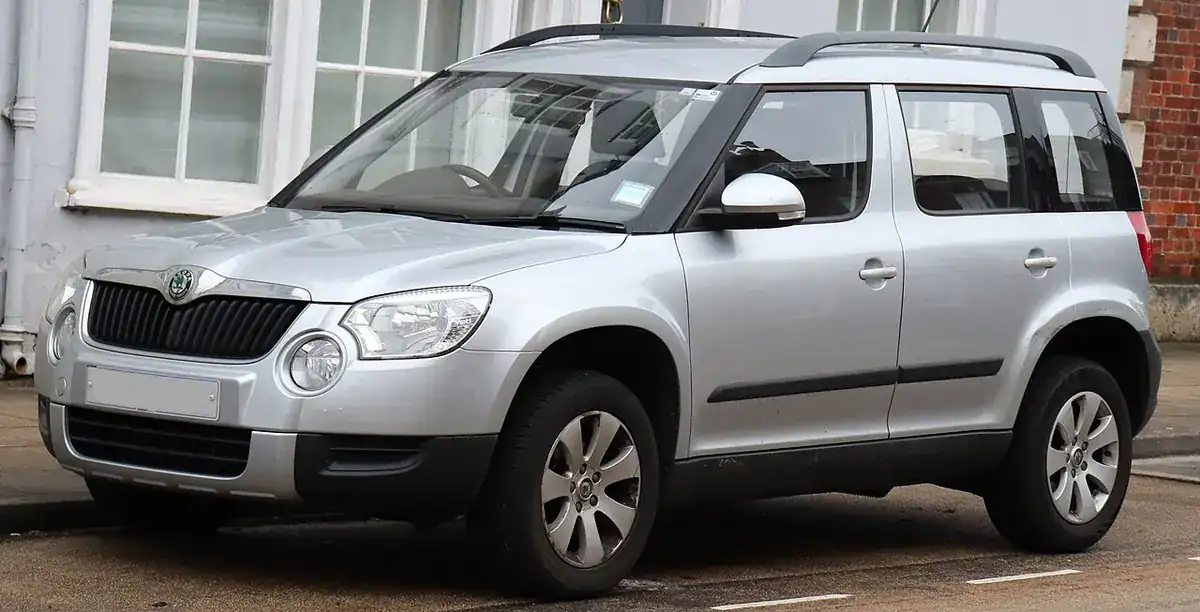
This guide concerns older Indian diesel Yetis with relevant manual 2WD and 4WD configurations. The front-drive and four-wheel-drive component lists differ. Read the chassis, actual gearbox and driveline identification before using a global maintenance chart; overseas petrol and DSG versions do not establish the specification of your Indian car.
Establish the starting condition and safe test route
Bring earlier service records, tyre changes, alignment reports and any history of wheel or underbody impact. Tell the technician about modifications and parts previously fitted. A problem that followed a kerb strike needs a different inspection trail from one that developed gradually over months. Record warning lights rather than repeatedly clearing them.
A loose wheel, severe vibration, leaking fluid or obvious steering fault calls for a safe recovery discussion, not a road test to make the symptom louder. Where the car is roadworthy, the inspection may use a controlled test route and appropriate supported lifting. Owners should not crawl beneath an unsupported vehicle or run driven wheels on improvised stands.
Separate wheel and tyre symptoms from suspension wear
Check tyre pressure and condition, uneven wear, rim damage and secure wheel fitting before blaming a shock absorber. A vibration linked to road speed may have a different cause from one linked to engine load. Record which wheel was struck or repaired. A fresh alignment printout does not establish that bearings, bushes and attachments are sound.
Suspension assessment can involve struts or dampers, springs, arms, joints, links, bushes and wheel bearings applicable to the actual axle. Check play, damage and mounting condition using a suitable procedure. Parts should be identified from the fitted specification and relevant component references. Replacing every rubber bush as one package is not an evidence-based response to a single unexplained noise.
Examine steering and braking alongside the complaint
A pull may involve tyre condition, alignment, brake drag or mechanical damage. Include tie-rod connections, relevant steering components and brake observations rather than treating the steering wheel's off-centre position as the only problem. Brake-related vibration needs its own examination of the fitted discs, pads and associated components.
If ABS or stability warnings appear, record the conditions and obtain a supported diagnostic assessment. A warning can involve a wheel-speed signal, wiring, supply or another system issue; it is not proof that one sensor must be replaced. Confirm what equipment and diagnostic support are available for the job before agreeing complex electronic work.
Identify manual transmission and 4WD-specific needs
Clutch engagement, gear selection, mounts, driveshafts and CV joints may be relevant when the complaint changes under acceleration or load. The actual manual gearbox and clutch arrangement determine the replacement proposal. Avoid using a modern Škoda DSG service recipe for a Yeti manual transmission. A heavy clutch pedal and a tyre-speed vibration may need separate diagnoses.
Additional checks belong only on a fitted 4WD car
An actual 4WD example may require inspection of applicable propeller-shaft, rear drive and coupling areas when symptoms warrant it. Look for observed leakage, damaged supports and abnormal play using the appropriate procedure. A 2WD car should not acquire an estimate for absent rear-drive hardware. Specialist coupling or differential repair is offered only after capability and the qualified technical route are confirmed.
Use the correct parts and fluid guidance
Compatible replacements can include applicable wheel bearings, suspension arms, links, bushes, mounts, shafts and clutch components, but the inspection determines which are needed. Match side, axle, driveline and component identity. Part availability, technical compatibility, price and delivery time will be confirmed after vehicle and variant verification. Discuss the condition and origin of any alternative part before approving it.
Fluid inspection and replacement requirements come from the exact unit, vehicle age, mileage and manufacturer documentation. Do not treat all manual gearboxes or 4WD couplings as one system, and do not use a universal fluid grade or drain interval from this page. The official owner-information resource helps identify relevant vehicle documents; workshop procedures must still match the fitted hardware.
Turn the inspection into a maintenance update
Ask for findings arranged by safety priority, confirmed wear and further diagnosis required. Agree the scope and estimate before replacing parts. A service update can include tyre condition, brake observations, steering or suspension findings and the next inspection point based on actual use. Frequent rough-road driving, monsoon exposure and high mileage should inform the assessment rather than trigger an invented fixed replacement schedule.
After work, appropriate tightening, verification and alignment-related checks depend on the components replaced. A safe controlled drive follows roadworthiness checks. If the original complaint persists, retain the symptom description and investigate further rather than accepting that new parts automatically prove success. Keep the maintenance record for future comparisons.
Handle accident-related findings through the claim process
Where a recent collision caused the concern, photograph and record the damaged component before non-emergency repair. Review the policy, intimate through the insurer's official channel, provide registration, licence, policy and incident photographs, and follow inspection instructions. An estimate or supplement may need approval before damaged parts are repaired or replaced. Deductibles, depreciation and non-covered items can remain payable by the owner.
CarTech Hub Multi-Brand Workshop, Guwahati provides Škoda accident repair and motor insurance claim assistance. Cashless repair availability is subject to the insurer, policy conditions, survey, claim approval and confirmed workshop or network eligibility.
Use Insurance Claim Assistance Available – Cashless Eligibility to Be Confirmed until the relevant arrangement is verified. Routine wear and preventive maintenance are not automatically accident damage. The Yeti accident guide explains the separate process, while the official insurer directory supplies Register Motor Claim / Claim Intimation destinations.
Arrange a Yeti mechanical enquiry in Guwahati
Send the vehicle year, driveline details and a clear symptom description with your service booking. You can call or WhatsApp CarTech Hub to plan the assessment, or use the insurance enquiry if a collision is involved. A booking is a request for inspection, not confirmation that every specialist repair is supported.
The Yeti service and parts guide covers broader upkeep, and the Škoda hub connects related models. Find directions and contact details and the configured Google Reviews destination. CarTech Hub is described as a multi-brand workshop without manufacturer-authorised status or guaranteed Google ranking claims.
Official insurer claim channels
Choose your insurer’s official claim-intimation link. Submit policy and identity information directly through the insurer’s approved channel. Its process and cashless authorization remain subject to your policy and the assessed claim.
Quick answers
What information helps diagnose a Yeti vibration?
Record whether it changes with vehicle speed, engine load, turning, braking, road surface or temperature. Include tyre work, recent impacts and previous maintenance.
Should a 2WD Yeti receive a rear coupling service estimate?
Not for absent hardware. Establish the actual driveline and components before recommending any 4WD-specific inspection or fluid work.
Is suspension replacement always needed when my Yeti pulls?
No. Tyres, alignment, brake drag or damaged steering components may contribute. Diagnose the cause and confirm the necessary parts before replacement.
Can I use one manual gearbox fluid interval for every Yeti?
No. The actual gearbox, relevant documentation, vehicle age, mileage and use determine the appropriate maintenance guidance.
Vehicle and claim reference information
Use the manual for your exact vehicle and the issued insurance policy. These sources provide background and do not establish a workshop authorization or insurer tie-up.