In this guide
An older Pulse needs a transparent repair decision
Keeping a Renault Pulse on the road after an accident requires a clear view of damage, compatible parts and the approved repair scope. CarTech Hub – Multi-Brand Car Workshop, Guwahati helps owners assess those issues before accepting a body-work estimate. Age alone does not decide whether a vehicle can be repaired, and a clean exterior finish does not establish that the accident damage has been addressed safely.
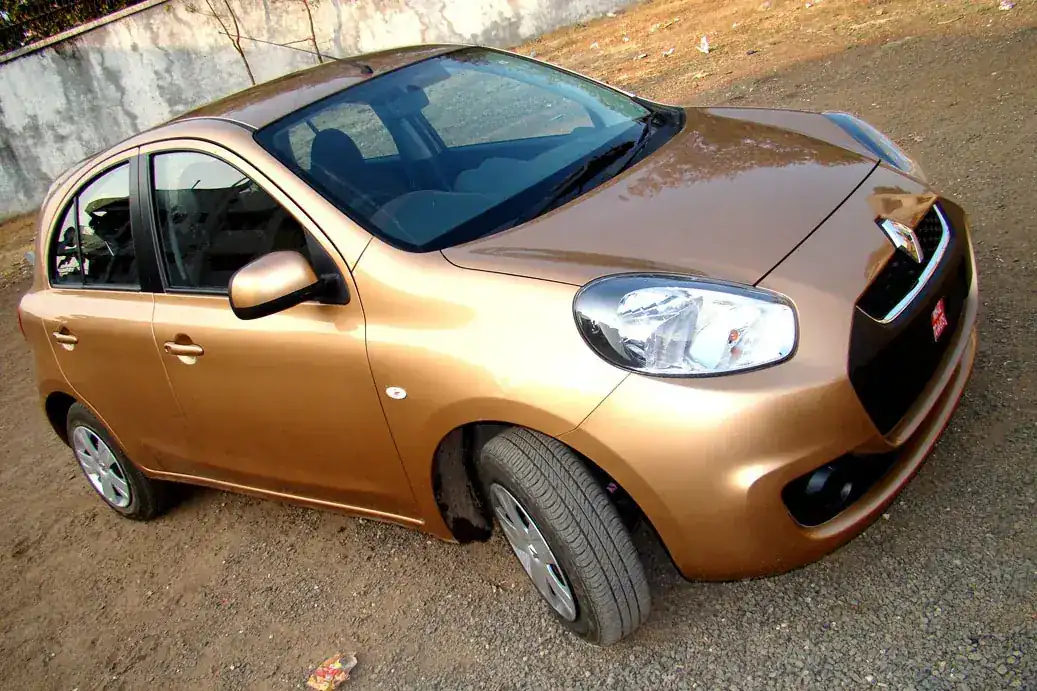
This guide concerns the discontinued Indian Pulse hatchback, with petrol and diesel manual versions verified against each vehicle's records. It is not a generic guide to imported automatic hatchbacks. The Pulse service and parts article explains maintenance requirements separately. Insurance inspection must distinguish pre-existing wear from damage that arose in the reported incident.
Tell the workshop what changed after the impact
Describe the damaged side, impact location and any new difficulty opening a door, securing the bonnet or closing the tailgate. Include tyre rubbing, steering pull, fluid leakage, reduced AC cooling and warning lights. Existing engine noise, worn mounts or old paint repairs should also be disclosed so the accident assessment starts with an honest comparison.
If brakes, steering or wheels appear affected, arrange a safety assessment before driving the Pulse to CarTech Hub. Emergency care and required incident reporting come first. Photographs and vehicle transport are organized only when safe. Recovery availability and method are confirmed for the situation, especially when a displaced wheel, leaking fluid or an insecure panel makes self-driven arrival unsuitable.
Inspect the compact hatchback's actual damage path
A front strike may damage the bumper, grille, headlamps, bonnet latch region, cooling pack and their supports. A side impact may involve a fender, door, mirror, sill or wheel area. Rear contact can affect the tailgate opening, rear lamps, bumper attachments and luggage-floor region. The inspection records these areas individually rather than describing the whole vehicle simply as dented.
Separate collision findings from age-related condition
Rust, a perished hose or an old oil leak may be found alongside fresh collision damage. Their presence does not automatically make them part of the accident claim. CarTech Hub describes the evidence and any additional owner-requested maintenance as separate scope. Structural, restraint-system or other specialist work is undertaken only after capability is confirmed, with referral when the necessary competence or equipment is unavailable.
Verify Renault body parts without rebadge assumptions
The Pulse has its own exterior identity. A related Nissan hatchback's panel or lamp should not be assumed interchangeable because vehicles share engineering ancestry. Bumper profile, grille, headlamp shape, lamp brackets, trim, connectors and attachments need verification against the Pulse's actual part references. The estimate should state what is being sourced and why it is suitable.
CarTech Hub assesses whether a panel can be restored or whether a damaged mounting or unsafe deformation makes replacement appropriate. Mechanical items affected by a strike are checked for the petrol or diesel version, rather than using one universal list. Parts availability, compatibility and delivery time will be confirmed after vehicle inspection and model verification. A hard-to-find part does not justify fitting an unsuitable component.
Prepare a claim file that supports the incident
Notify the insurer through its official channel and retain the claim reference. Gather the policy schedule, registration certificate, relevant driving licence, owner details and accident photographs. Depending on the event, the insurer may request its claim form, police documentation or additional information. Vehicle ownership and policy records should accurately describe the car and the applicable cover at the time of loss.
The motor-insurer directory supplies official reporting routes and recorded status information. Leading motor insurers such as National Insurance, New India Assurance, HDFC ERGO and ICICI Lombard assess claims against their own policy terms. Inclusion in the website's directory is not a statement that CarTech Hub has a cashless arrangement with that company.
Review the estimate before granting owner consent
CarTech Hub's repair proposal identifies accident-related panel work, compatible parts, painting and relevant mechanical checks. Surveyor or insurer inspection is coordinated where required. The insurer decides admissibility and approved scope; the owner separately agrees to the proposed work and payment arrangement. Those decisions should be made before approved repair begins.
An older vehicle can raise sourcing or repair-economics questions that need clarification with the insurer. No total-loss decision or settlement amount is assumed here. If authorized dismantling reveals further damage, the workshop documents the findings and submits a supplementary estimate. The customer can discuss alternatives and next steps after the insurer's response, rather than being presented with unexplained additional work.
Confirm cashless status and remaining charges
CarTech Hub Multi-Brand Workshop in Guwahati provides Renault accident repair and motor insurance claim assistance. Cashless repair availability is subject to insurer approval, policy conditions and confirmed workshop/network eligibility. Until confirmation is obtained, the public status is insurance claim assistance available with cashless eligibility to be confirmed. Claim reporting alone does not establish the payment route.
Deductibles, depreciation where relevant, uncovered consumables, excluded items or unrelated maintenance can remain customer-payable. Add-on cover depends on the actual endorsement and eligibility; do not assume every older Pulse policy includes zero depreciation. For reimbursement, ask which documents and payment records the insurer requires. The owner should understand the likely contribution and approved arrangement before committing to repairs.
Restore the agreed damage and check function
Authorized work may combine panel repair, component replacement, denting and painting. A rear repair can require checks of tailgate security and water sealing; front work can need bonnet, lighting and cooling checks. Wheel-area impact calls for the appropriate steering, suspension or brake assessment. Each final check follows the damage scope, not a one-size delivery checklist that ignores the collision.
CarTech Hub retains the completed repair description, any supplementary authorizations and final claim documentation. Customer contributions and applicable release requirements are settled before delivery. Progress may depend on parts verification, the insurer's response and specialist work, so the availability of a paint slot does not establish the completion date for the entire repair.
Arrange a Pulse enquiry with useful vehicle records
Send the year, fuel type and photographs through an insurance claim enquiry, or book a workshop inspection. Call CarTech Hub to discuss arrival, and use WhatsApp for an initial message. Find contact and location information, Google Reviews and directions and other Renault owner guides. CarTech Hub is an independent multi-brand workshop, not an authorized Renault service centre.
Official insurer claim channels
Choose your insurer’s official claim-intimation link. Submit policy and identity information directly through the insurer’s approved channel. Its process and cashless authorization remain subject to your policy and the assessed claim.
Quick answers
Can a Nissan Micra bumper be ordered automatically for a Pulse?
No. Related vehicles can have different exterior parts and attachments. The Pulse part reference and actual fitment must be checked.
Will an old radiator leak found during inspection be approved as accident damage?
That depends on evidence connecting it to the event and the policy. Existing deterioration is recorded separately from fresh collision findings.
Who decides whether repairing my older Pulse is economically appropriate for the claim?
The insurer determines its claim treatment under the policy. CarTech Hub supplies inspection and estimate information; the owner also decides whether to authorize the proposed work.
Can I combine overdue servicing with the accident visit?
You can request a separate maintenance scope. It should identify your authorization and customer-payable charges rather than being assumed part of the insurance repair.
Vehicle and claim reference information
Use the manual for your exact vehicle and the issued insurance policy. These sources provide background and do not establish a workshop authorization or insurer tie-up.