In this guide
A rear impact on a Lodgy is more than a bumper enquiry
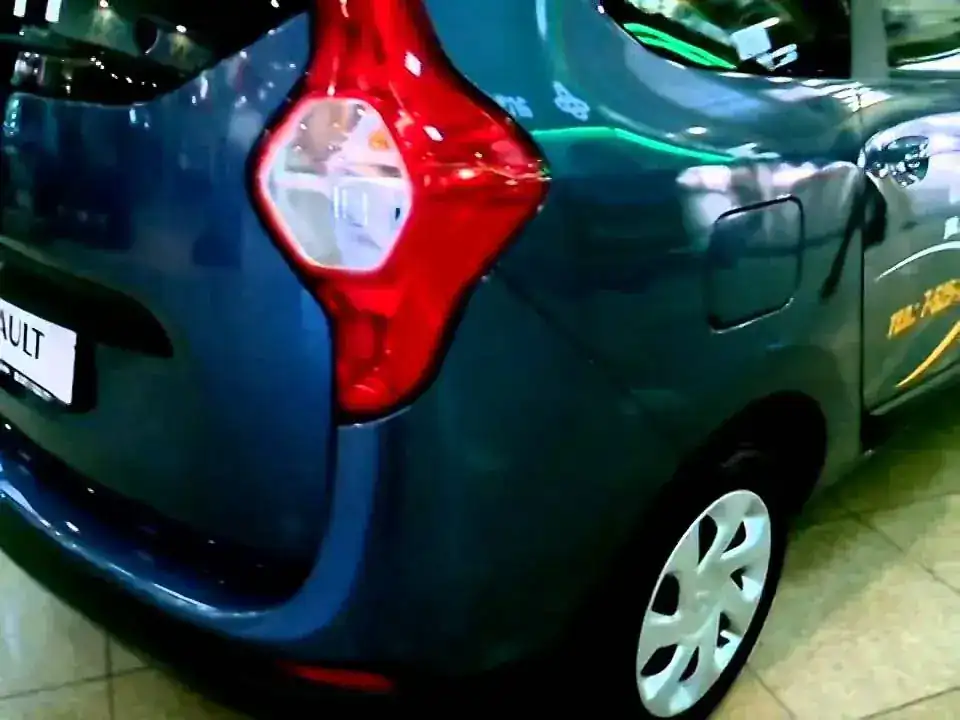
An Indian Renault Lodgy carries passengers close to the rear body area, so a collision needs a repair assessment that goes beyond the painted bumper. CarTech Hub – Multi-Brand Car Workshop, Guwahati can help owners organise accident inspection, repair estimates and insurance claim assistance while distinguishing visible panel damage from a concern involving the passenger compartment.
This article covers the older Indian diesel MPV. Renault offered different power versions and seven- or eight-seat configurations. Confirm the registered vehicle, actual seating arrangement and model year before estimating parts or assessing a damaged rear area. Do not assume that an overseas Lodgy specification or another Renault MPV describes your vehicle.
Decide whether recovery is needed before visiting
After a rear collision, report whether the tailgate latches, the rear lamps function, a tyre touches damaged material or fluids have leaked. Also mention unusual noise, a displaced seat or a warning light. These observations help the workshop discuss safe transport; they do not replace a professional inspection.
Keep passenger-safety concerns visible
Seat mountings, restraints and structural damage require appropriate specialist assessment. The presence of usable seats does not prove that their mountings or the surrounding body are undamaged. CarTech Hub should confirm whether it has the necessary procedure and capability for any specialist work or arrange an appropriate referral. The page does not promise structural or restraint-system repairs for every vehicle.
Map the rear body damage before choosing parts
The assessment may include the bumper cover and supports, tailgate, rear glass, lamp assemblies, quarter panels, floor area and seals. A rear washer line, wiring connector or latch mechanism can also be affected. Damage to these items should be documented rather than becoming an unexplained addition at collection.
Body components must match the Lodgy's generation and specification. A replacement tailgate may require separate glass, trim, latch or electrical fittings. Parts availability, compatibility and delivery time will be confirmed after vehicle inspection and model verification. CarTech Hub can explain repair and replacement alternatives based on condition; neither the largest assembly nor the cheapest available listing is automatically the right solution.
Keep servicing and collision repairs on separate records
A diesel Lodgy may also need filter, coolant, clutch, brake or suspension attention because of mileage and use. Accident inspection can uncover these concerns, but it should not label every worn component as collision damage. Ask for a clear distinction between the accident estimate and any recommended maintenance.
The Lodgy service and parts article provides the general maintenance context. The diesel, brake and suspension guide is useful if the MPV has changed braking feel or ride behaviour. CarTech Hub discusses applicable services after examining the vehicle, with separate customer permission for work outside the approved insurance repair.
Claim intimation for the correct policy and use
Notify your insurer through its official route and keep the reference number. Explain the accident, passengers or load where relevant, and the location and time accurately. Confirm that the policy details match the registered vehicle and its actual declared use. Do not assume that a private-car process necessarily describes every Lodgy used for a different purpose.
Use the insurance-company directory to locate the applicable insurer and its verified guidance. Names such as Tata AIG, SBI General or New India Assurance refer to separate companies with their own procedures. Their presence on CarTech Hub's website does not imply that each has confirmed cashless arrangements with this workshop.
Documents and photographs that support assessment
Typical requests can include the policy schedule, registration certificate, driver licence, claim declaration and accident photographs. Depending on vehicle use and circumstances, the insurer may ask for additional records. Follow those instructions rather than relying on a universal checklist. Police information may be required in relevant cases; obtain case-specific guidance from the insurer.
Provide both an overall view of the damaged MPV and clearer photographs of affected areas if these can be obtained safely. Preserve the original record of the incident. If occupants report a seating or restraint concern, include that information in the damage description rather than reporting only a bumper scratch. Submit sensitive records through the agreed private channel.
Survey and the estimate before repair authorisation
The insurer may require surveyor inspection or another assessment route before repair. CarTech Hub can coordinate access and prepare an estimate that separates body repairs, compatible replacement parts, associated labour and painting. Any permission to inspect or dismantle should be clarified before work that changes the damage evidence.
Hidden rear-floor or mounting damage may become clearer during authorised inspection. If the scope changes, retain photographs and seek a supplementary decision from the insurer, alongside an explanation to the owner. Initial approval for a bumper repair is not approval for additional body work. Where the findings indicate a repair outside supported capability, explain the referral rather than proceeding under an optimistic general estimate.
Cashless status, deductions and customer decisions
CarTech Hub Multi-Brand Workshop in Guwahati provides Renault accident repair and motor insurance claim assistance. Cashless repair availability is subject to insurer approval, policy conditions and confirmed workshop/network eligibility. Unless your insurer arrangement has been verified, the appropriate status is claim assistance with cashless eligibility to be confirmed.
The customer should understand which work has been authorised and which expenses remain payable. Deductibles, applicable depreciation, excluded items and maintenance unrelated to the accident may not be settled by the insurer. Add-on cover changes only the items and conditions it actually covers. For reimbursement, confirm payment requirements and the final documents needed; the workshop does not decide the insurer's settlement.
Completion checks and arranging a Guwahati assessment
Before delivery, review the approved work, affected tailgate and lamp functions, sealing, any specialist findings and the final documentation. Painting should not obscure an unresolved safety concern. Discuss a follow-up or remaining maintenance separately, particularly if the inspection identified pre-existing brake or suspension wear. Parts procurement, approvals and supplementary inspections make completion timing case-specific.
Book Service for a Lodgy assessment or use Insurance Claim Enquiry. Call CarTech Hub or WhatsApp the workshop, then check contact and location, Google Reviews and directions and the Renault hub for the closest useful guidance.
Official insurer claim channels
Choose your insurer’s official claim-intimation link. Submit policy and identity information directly through the insurer’s approved channel. Its process and cashless authorization remain subject to your policy and the assessed claim.
Quick answers
Does a Lodgy rear-bumper claim cover the seating area automatically?
No. Damage needs to be inspected and documented. Any seating, restraint or structural concern requires an appropriate assessment and a separate decision on the admissible repair scope.
Do seven-seat and eight-seat Lodgys use identical interior fittings?
Do not assume so. Confirm the registered configuration and actual components before ordering interior or seating-related parts.
Can a commercial-use Lodgy follow any private-car claim guide?
The policy and declared use should be checked with the insurer. Additional records or a different procedure may apply, so the private-car checklist is not a universal instruction.
What happens if rear-floor damage appears after the survey?
CarTech Hub should record the additional findings and seek supplementary insurer assessment and owner consent before undertaking the newly proposed work.
Vehicle and claim reference information
Use the manual for your exact vehicle and the issued insurance policy. These sources provide background and do not establish a workshop authorization or insurer tie-up.