
In this guide
Separate movement concerns from stopping concerns
A Kwid that feels hesitant when moving away and a Kwid that makes a noise while braking need different initial questions. CarTech Hub – Multi-Brand Car Workshop, Guwahati helps owners describe both clearly and identify whether the concern relates to AMT operation, clutch engagement, tyres, brakes or another system. This guide brings those common enquiry categories together without assuming that one replacement will solve them all.
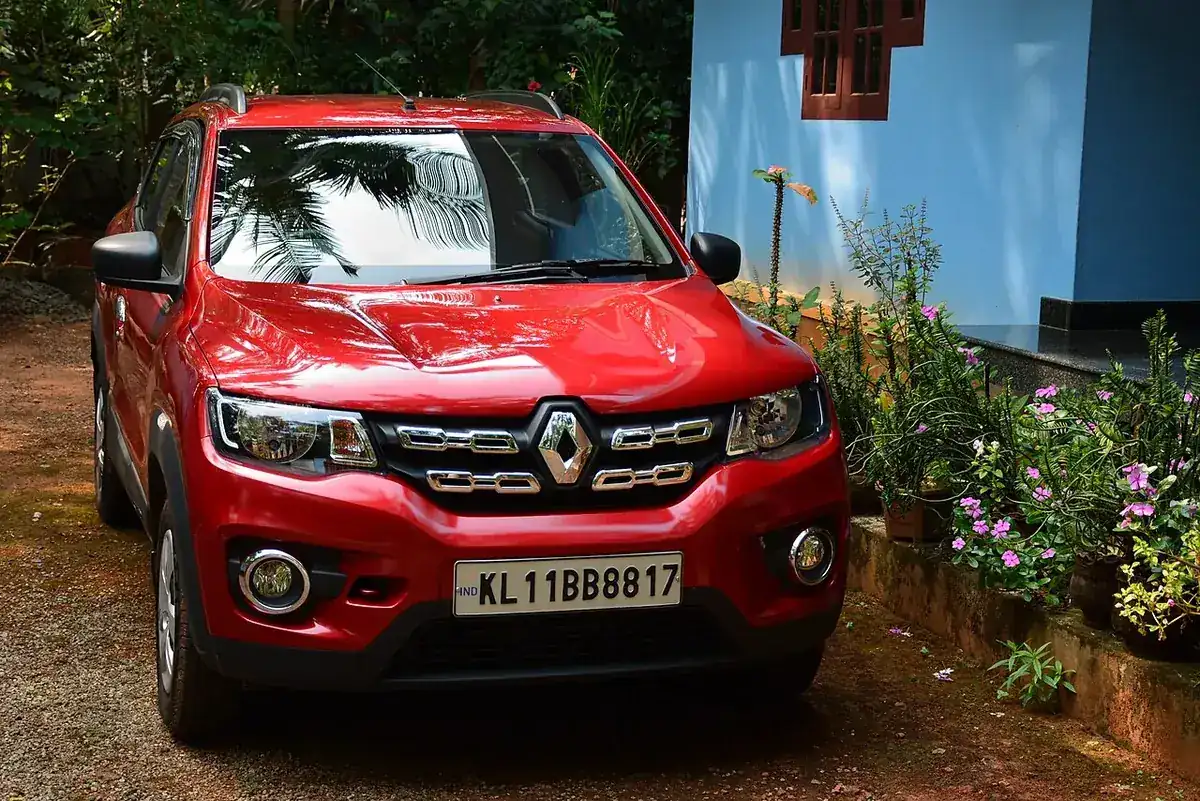
The Indian Renault Kwid is a petrol hatchback. Current 1.0-litre applications and older 0.8-litre cars need correct engine identification. Manual and AMT equipment also differ. This article does not apply to an overseas Kwid-derived electric car, and it does not describe an AMT as a CVT or conventional torque-converter automatic.
Confirm transmission identity before discussing parts
Renault India's current Kwid engine information identifies the 1.0-litre petrol engine and an AMT offering. The workshop still checks the individual car's year, engine and fitted gearbox. A gear selector photograph can help an enquiry, but vehicle identification and inspection determine the technical application.
In an AMT, clutch and gear operation are automated. That distinction matters when the owner describes an engagement delay, warning or movement change. Manual clutch advice cannot simply be copied into an AMT repair plan. The Kwid service and parts guide covers the broader model history and maintenance decisions, while this page focuses on the information needed for AMT and brake assessment.
Describe normal driving behaviour and changes
Tell CarTech Hub whether the complaint happens when the vehicle is cold, after traffic, while moving away normally or during a routine parking manoeuvre. Report warning messages, noises and whether engagement feels different from the car's previous behaviour. Include battery or starting problems and any recent repair, accident or water exposure.
The purpose is to establish a useful record, not to ask the owner to perform repeated tests. A serious loss of drive, brake concern or significant warning may make transport to the workshop more appropriate than driving. A technician decides whether a road assessment is suitable after considering condition and safety. Clear details help organise the visit without remotely promising a diagnosis.
AMT assessment is more than a clutch quotation
Mechanical and control findings need to agree
Clutch wear, automated-control concerns, electrical supply or other mechanical conditions may be relevant to a movement complaint. Diagnostic information and inspection should guide the next step. A delayed engagement description alone does not establish that the gearbox, clutch or actuator has failed.
CarTech Hub discusses the repair scope after identifying the application and required support. A clutch plate, pressure plate, release bearing, mount or control-related component is selected for the fitted vehicle. Advanced AMT work proceeds only when the necessary equipment, technical information and capability are confirmed. Referral can be appropriate, and internal repair should not be advertised as a guaranteed solution before examination.
Brake inspection starts with the actual assembly
When booking brake service, distinguish squeal, vibration, a soft pedal, a pull or an ABS warning. Say whether the symptom began after rain, a long period parked, tyre work or an impact. These observations do not establish a diagnosis, but they help the workshop plan a suitable inspection.
Checks can consider friction material, disc condition, the fitted rear brake assembly, hydraulic condition, hoses and leakage. Rear shoes, drums or wheel cylinders are considered only where applicable. Pads and discs must match the relevant application. An ABS fault requires appropriate electrical and diagnostic assessment alongside the physical brakes; ordering a sensor without evidence can leave the actual problem unresolved.
Tyres, wheels and suspension can influence the complaint
A steering pull or braking vibration may warrant tyre and wheel inspection as well as brake assessment. Report a recent pothole or kerb impact, uneven wear or any new wheel-area noise. Alignment is considered after identifying tyre and mechanical concerns rather than used to conceal a damaged component.
Depending on the finding, inspection can involve the strut, spring, lower arm, bushes, joints, steering linkage or wheel bearing. Driveshafts and CV joints may be relevant to movement vibration instead of braking vibration. CarTech Hub records the affected area and proposed action so the owner can distinguish a confirmed repair from something that needs monitoring. A generic full-suspension replacement is not assumed necessary.
Use the right consumables and service information
The Renault documentation relevant to production year and engine remains the starting point for scheduled work. Oil, oil filter, air filter, spark plugs, coolant, brake fluid and transmission guidance should be checked for the actual vehicle. This article does not recommend one fixed service interval, fluid quantity or universal AMT maintenance procedure for every Kwid.
Short city journeys and prolonged parking are worth mentioning in a service discussion. Battery-health and charging checks may be helpful where starting or electrical symptoms accompany movement problems. For CarTech Hub parts coordination, compatibility is established before approval. Parts availability, compatibility and delivery time will be confirmed after vehicle inspection and model verification. A low advertised parts price is not a substitute for correct fitment and a defined repair scope.
Accident and insurance enquiries must identify the cause
After an impact, a Kwid may have visible bumper damage together with a wheel, mounting, wiring or nearby mechanical concern. The workshop should document the affected areas and distinguish the accident findings from pre-existing wear. The front-bumper claim guide explains why supports and adjacent components matter even when the surface damage looks small.
CarTech Hub assists Renault owners in Guwahati with inspection, estimates and motor-insurance repair coordination. The Kwid accident and claim page covers notification, documents, photographs, survey, approval and final customer-payable amounts. AMT wear or routine brake servicing is not automatically an accident claim. Cashless repair depends on policy terms, insurer approval and confirmed workshop/network eligibility, with deductibles and non-payable charges potentially remaining the owner's responsibility.
Book a Kwid visit with a clear priority
For an AMT concern, provide engine and gearbox details, symptom history and any warning. For brake service, say how stopping behaviour has changed and whether there was an impact. Ask that immediate safety-related findings, approved repairs and maintenance observations are separated in the estimate and recorded after work.
Book Kwid AMT or brake assessment, call CarTech Hub or WhatsApp the vehicle details. Request insurance claim assistance for collision damage and use the official insurer directory for claim-intimation links. Find contact and workshop directions, Google Reviews and related articles in the Renault hub. CarTech Hub operates independently as a multi-brand workshop and does not claim Renault authorised-service status.
Official insurer claim channels
Choose your insurer’s official claim-intimation link. Submit policy and identity information directly through the insurer’s approved channel. Its process and cashless authorization remain subject to your policy and the assessed claim.
Quick answers
Is a Kwid AMT the same type of automatic as a CVT?
No. AMT automates clutch and gear operation in its applicable gearbox. Its inspection, controls and repair requirements should not be assumed identical to a CVT.
What information helps book a Kwid brake inspection?
Describe the change in stopping behaviour, noise, vibration, warning lights and any recent impact or tyre work. The workshop uses this history alongside physical assessment.
Does an ABS warning prove that a wheel sensor needs replacement?
No. Appropriate diagnostic information and electrical checks are needed to establish the cause. Brake condition also needs assessment where the complaint involves stopping performance.
Can I claim for AMT wear noticed after a bumper accident?
The timing alone does not establish causation. CarTech Hub can document relevant findings, while the insurer determines admissibility and payment under the policy.
Vehicle and claim reference information
Use the manual for your exact vehicle and the issued insurance policy. These sources provide background and do not establish a workshop authorization or insurer tie-up.