
In this guide
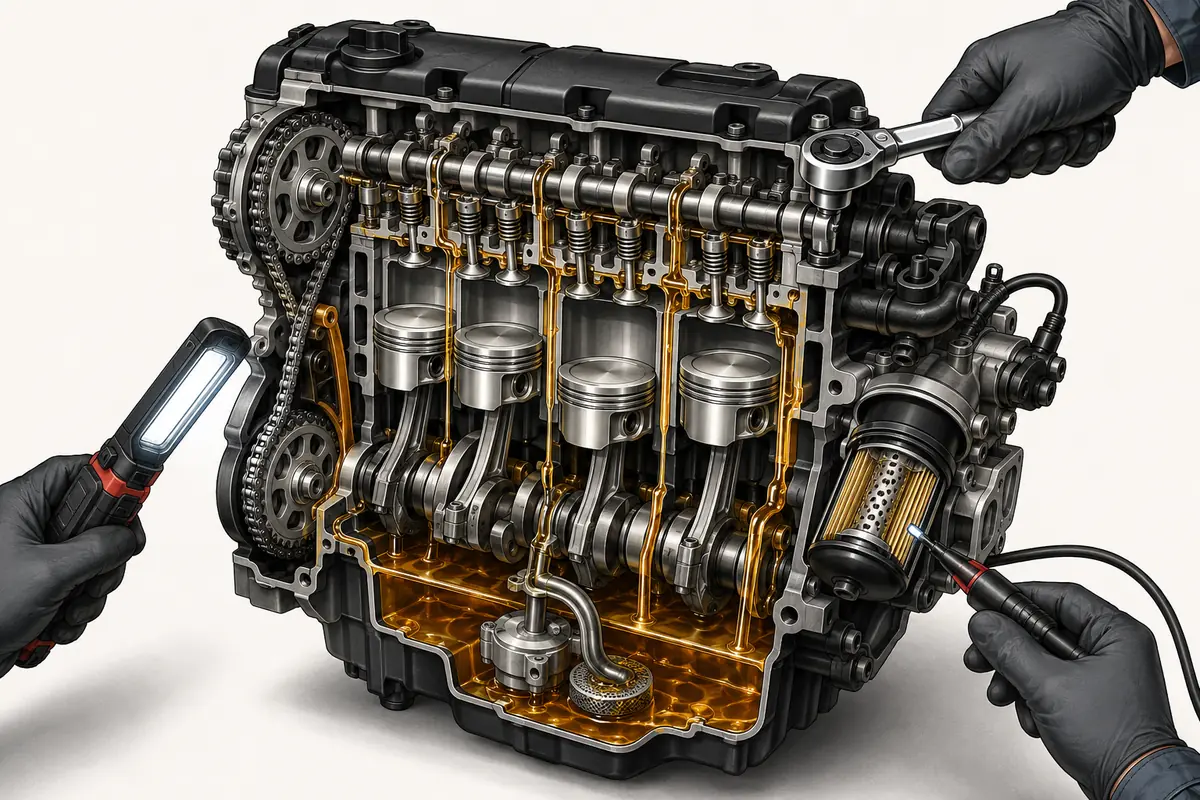
High oil consumption does not have one universal answer for every make and model. Usage, previous work, warning messages and local conditions around Dispur and GS Road stop-and-go use can all change the next step. The purpose of this guide is to help customers ask better questions and understand the inspection path at a multi-brand workshop.
Why high oil consumption deserves a documented first check
Owners often save time when they bring a short timeline: when the concern began, what changed beforehand and whether another workshop or accessory installation was involved. This is especially valuable for vehicles moving through Dispur and GS Road stop-and-go use, where traffic, heat, rain and mixed road surfaces can make a symptom appear differently. A job card should capture those facts before inspection begins.
Checks before a longer journey
The following observations do not prove a specific failure, but they are useful reasons to pause, record the condition and arrange an inspection:
- Power drops under acceleration.
- A new knock, tick or rattle appears.
- Smoke colour or smell changes.
- Temperature rises above the normal range.
- Oil or coolant appears below the vehicle.
When a symptom affects braking, steering, visibility, overheating, fluid retention or the ability to control the car, avoid continuing the journey merely to test it again. A safe stop and appropriate recovery can prevent added damage and risk.
How CarTech Hub approaches high oil consumption
A useful workshop conversation connects three things: the reported symptom, the test result and the recommended remedy. If those links are not clear, the owner should ask for an explanation. For high oil consumption, photographs, readings or removed-part observations may help, but the form of evidence depends on the vehicle and fault.
A relevant inspection may include:
- Belts, hoses and mounts.
- Road-test behaviour after safe preliminary checks.
- Engine oil level and condition.
- Coolant level, pressure and leakage.
- Scanner fault codes and live data.
The list is deliberately broader than a single parts recommendation. Different vehicles can produce a similar symptom for different reasons, so testing should narrow the cause before the customer approves a repair.
What can change the estimate and timeline
The scope for high oil consumption may change after inspection. Important variables include access time and diagnostic findings, vehicle mileage and service history, severity and duration of symptoms, overheating history and parts and machining requirements. A written estimate should identify known work and explain any area that remains conditional on dismantling, insurer review or further testing. Parts availability for a specific make and model can also affect the completion date.
For a diesel vehicle, previous repairs and service records can be as important as mileage. A lower initial estimate is not automatically better if it omits necessary testing, fluids, fasteners, calibration or quality-control work. Customers should compare the repair scope, not only the final number.
Customer approval and workshop records
Before authorising work, confirm the complaint recorded on the job card, the proposed checks, the parts standard, the estimated labour, taxes and the process for approving additional findings. Keep the estimate, approval messages, invoice, part details and any warranty information together. These records help with future maintenance, resale and follow-up if the same symptom returns.
A helpful customer question is: “What finding supports this recommendation?” Another is: “What will you verify after the work is completed?” Clear answers make the delivery discussion more useful and reduce misunderstandings about what the repair was intended to solve.
Care after attention to high oil consumption
Practical aftercare for this topic includes:
- Use the specified oil and coolant.
- Respond early to warning lights.
- Avoid driving an overheating engine.
- Keep periodic-service records.
- Check fluid levels safely.
Guwahati driving can combine congestion, short journeys, steep approaches, rough patches, humidity and intense monsoon rain. These conditions do not automatically cause every problem, but they influence how quickly wear becomes noticeable and how carefully water entry, corrosion, heat and stop-start use should be considered. Owners travelling beyond Assam should also plan inspections before long hill or highway journeys.
Local workshop guidance for high oil consumption
For motorists comparing engine service in Guwahati, distance is only one factor. Ask how high oil consumption will be checked, what evidence supports the estimate and when extra approval would be required. CarTech Hub – Multi-Brand Car Workshop supports multi-brand vehicles in Guwahati, Assam and customers travelling across Northeast India. It can also help people comparing car workshop in Guwahati understand which workshop questions to ask before approving work.
A practical final reminder
This article provides general owner education about high oil consumption; it cannot confirm the condition of an individual vehicle. CarTech Hub in Sawkuchi, Guwahati can inspect multi-brand vehicles and explain a vehicle-specific plan. Stop using the car and arrange safe recovery when the concern could affect control, braking, overheating, electrical safety or further mechanical damage.
Frequently asked questions about high oil consumption
Can high oil consumption be confirmed from a phone description?
A phone conversation can help plan the visit, but it normally cannot confirm the failed part or final cost. Inspection and testing are needed for a vehicle-specific answer.
Should the cheapest parts option always be selected?
No. Compatibility, safety, expected life, warranty, correct specification and the total labour involved should be considered together. Ask the workshop to identify the proposed parts standard.
How can a customer book help in Guwahati?
Use the CarTech Hub online booking page or WhatsApp with the vehicle make, model, registration, main symptom and preferred date. Share personal documents only through an appropriate private channel.